

If you've ever picked up a Fear of God hoodie and paused at the name, you're not alone. It sounds like it belongs on a church pamphlet, not a $300 sweatshirt. So here's the short answer: Fear of God is not a religious company in the traditional sense, but its name and creative direction are deeply rooted in founder Jerry Lorenzo's Christian faith. That distinction matters, and it's worth unpacking properly.
Where the Name Actually Comes From
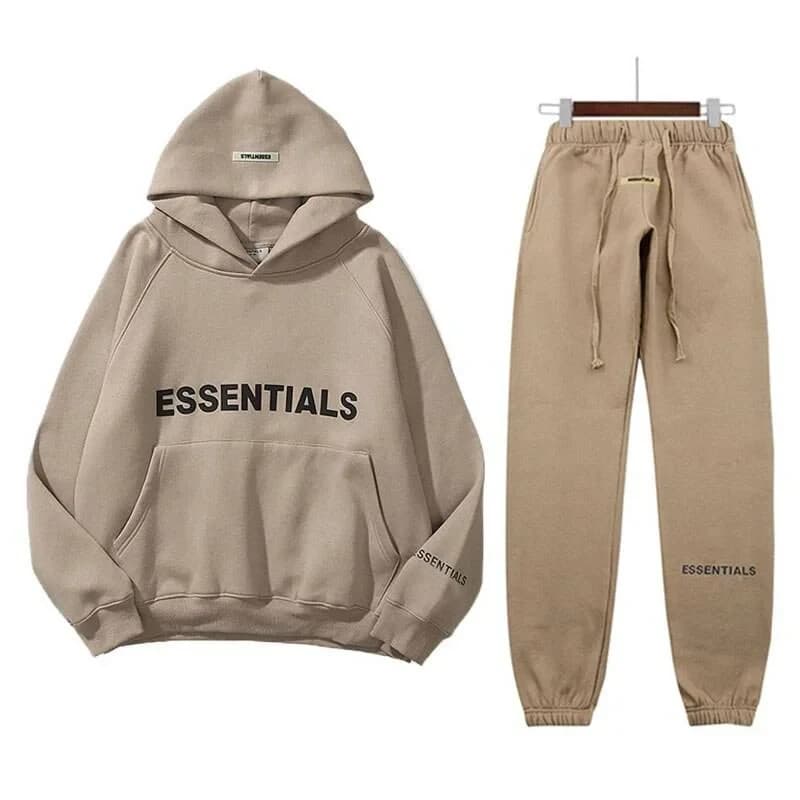
Jerry Lorenzo founded Fear of God in 2013, and the name wasn't picked for shock value or edgy branding tricks. It came from his own upbringing. Lorenzo has stated that his Christian faith inspired the name, and that reading Christian devotionals, particularly My Utmost for His Highest by Oswald Chambers, was a regular habit in his household growing up. Essentials tracksuit He wasn't trying to build a church brand. He was trying to name something honest to who he was. In his own words, naming it Fear of God gave him the necessary drive and purpose to design, because it's about reverence for a higher being, and he liked that the name could be read two different ways depending on the person looking at it. That double meaning is intentional, and it's exactly why the brand avoids feeling preachy while still carrying real weight behind it.
So Is It a "Christian Brand" or Not?
This is where people get tripped up, and honestly, it's a fair question. "Fear of God" is a concept rooted in Christianity representing reverence and awe toward God, and Lorenzo has said his relationship with God shapes his creativity and decisions. That's real. But calling it a Christian brand in the retail sense, like a company that sells scripture-printed merch or markets directly to churches, misses the point entirely. Lorenzo's intention was never to build an explicitly Christian label. He's said repeatedly that he wants the clothing to resonate with people from all kinds of backgrounds and beliefs, not just Christians, which lets the brand appeal across religious lines while staying true to his personal convictions. Think of it less like a religious storefront and more like a designer who happens to be devout, and lets that show up quietly in the work rather than shouting it from the label.
Why This Distinction Matters for Buyers
Here's a tip that gets missed a lot: understanding a brand's origin story actually helps you understand its design language. Fear of God's muted palettes, oversized silhouettes, and minimalist branding aren't random aesthetic choices. They reflect a designer who's intentionally avoiding flash in favor of something more contemplative. https://essentialstracksuits-uk.com/hoodie/ Lorenzo has described Fear of God not as a clothing brand but as a conviction, calling it a platform to touch people that could be expressed through anything. If you're shopping the brand purely for hype value, that's fine; plenty of people do. But knowing the "why" behind the aesthetic gives you a much sharper eye for spotting authentic pieces versus generic streetwear trying to copy the vibe without understanding it. A lot of imitators nail the boxy fit but completely miss the restraint that makes Fear of God's designs feel deliberate rather than just oversized for the sake of it.
A Common Mistake People Make
The biggest misunderstanding out there is assuming the name is either purely marketing or purely religious, when it's really neither on its own. Lorenzo himself has admitted he knew the name was "gangster enough to overcome the Christian connotation," and that launching in Los Angeles rather than a more traditionally religious city meant he avoided being pigeonholed as "the Christian designer." That's a calculated understanding of culture, not naivety about what the name implies. Another mistake is assuming faith-driven design means limited appeal. The brand has collaborated with major names like Nike, Vans, and Adidas, and Lorenzo even became Global Head of Adidas Basketball in 2020, which tells you this is a business operating at the highest commercial level, not a niche religious label playing it small.
How Faith Shows Up in the Collections
It's not just the name. Lorenzo has released multiple collections, several carrying spiritual themes, including one built around the number seven representing completion in biblical numerology. Another collection drew from liturgical and ecclesiastical elements, blending them with 1980s and 1990s tailoring influences.This is where the brand gets interesting from a design perspective. Faith isn't slapped on as a graphic print or a slogan tee. The spiritual references are embedded in the DNA of the brand, from the name itself to designs that favor introspection over flashiness. That's a very different approach from brands that treat religious imagery as a trend to cash in on.
Styling Tip From Someone Who's Studied the Brand Closely
If you want to wear Fear of God pieces (or similarly inspired essentials) in a way that actually respects the design intent, lean into restraint. Stick to a tonal palette, let the oversized fit do the talking, and resist the urge to over-accessorize. The brand's whole philosophy is quiet confidence over loud statements, so styling it minimally isn't just an aesthetic choice, it's actually staying true to what the designer intended.
FAQs
Is Fear of God owned by a religious organization?
No, it's an independently run fashion label founded and led by designer Jerry Lorenzo.
Does Jerry Lorenzo identify as Christian?
Yes, he has spoken openly and consistently about his Christian faith in numerous interviews.
Does Fear of God print religious slogans on its clothing?
No, the brand avoids overt religious messaging, keeping its faith influence subtle rather than literal.
Why is it called Fear of God if it's not a religious brand?
The name reflects Lorenzo's personal faith and his interpretation of "fear" as reverence rather than literal fear.
Can non-religious people wear or enjoy Fear of God?
Absolutely, the brand is designed to appeal broadly regardless of the wearer's personal beliefs.





.webp&w=3840&q=75)