

* All product/brand names, logos, and trademarks are property of their respective owners.
Your vehicle's braking system is one of its most critical safety components, and every part of it must function properly to keep you safe on Dubai's busy roads. While many drivers focus on replacing brake pads or tires, they often overlook the importance of maintaining the brake fluid. Regular brake fluid change service plays a vital role in ensuring your brakes respond quickly and efficiently, especially in Dubai's hot climate and heavy traffic conditions. Ignoring this essential maintenance can reduce braking performance, increase repair costs, and compromise your safety.
Brake fluid is a hydraulic fluid that transfers the force from your brake pedal to the braking components at each wheel. When you press the brake pedal, the fluid moves through the brake lines, allowing the brake calipers to squeeze the brake pads against the rotors and slow your vehicle.
Unlike engine oil, brake fluid isn't consumed during normal operation. However, it gradually absorbs moisture from the air, which reduces its effectiveness over time.
Replacing old brake fluid is essential because contaminated or degraded fluid can affect the entire braking system.
Here are the main reasons why regular brake fluid replacement matters.
Fresh brake fluid ensures consistent hydraulic pressure throughout the braking system.
As brake fluid absorbs moisture, its boiling point decreases. During repeated braking, especially in Dubai's high temperatures, the fluid can overheat and form vapor bubbles, leading to reduced braking power or a soft brake pedal.
A well-maintained braking system responds quickly in emergency situations.
Clean brake fluid helps maintain consistent brake pedal feel, allowing you to stop your vehicle confidently when unexpected hazards appear.
Moisture-contaminated brake fluid can cause internal corrosion in expensive components such as:
Brake master cylinder
Brake calipers
ABS module
Brake lines
Routine brake fluid replacement helps protect these parts and extends the life of your braking system.
Modern vehicles are equipped with Anti-lock Braking Systems (ABS), which rely on clean hydraulic fluid for proper operation.
Dirty brake fluid can damage sensitive ABS valves and pumps, resulting in expensive repairs.
Replacing brake fluid is relatively inexpensive compared to repairing damaged brake components.
Routine maintenance helps prevent:
Rust inside brake lines
Damaged seals
Faulty master cylinders
ABS failures
Preventive maintenance is almost always more affordable than major brake repairs.
Dubai presents unique driving conditions that make brake system maintenance even more important.
Factors include:
High summer temperatures
Heavy stop-and-go traffic
Long highway journeys
Frequent braking during city driving
Dust and sand exposure
Extreme heat can accelerate brake fluid degradation, making regular inspections and fluid replacement especially beneficial for Dubai drivers.
Watch for these common warning signs:
If the brake pedal feels soft or sinks further than usual, contaminated brake fluid may be reducing hydraulic pressure.
A dashboard brake warning light can indicate low brake fluid levels or another issue with the braking system.
Fresh brake fluid is usually clear or light amber.
If it appears dark brown or black, it's time for a replacement.
If your vehicle doesn't stop as confidently as it used to, degraded brake fluid may be contributing to the problem.
Overheated brake fluid can sometimes produce unusual odors after repeated braking, particularly during long drives.
Most manufacturers recommend changing brake fluid every 2 years or 30,000–40,000 kilometers, whichever comes first.
However, the ideal interval depends on:
Vehicle manufacturer recommendations
Driving habits
Climate conditions
Brake system design
In Dubai, where vehicles often operate in high temperatures, following your manufacturer's maintenance schedule is particularly important.
A professional brake fluid service generally includes:
Inspecting the braking system
Checking brake fluid condition
Draining old brake fluid
Flushing the brake lines
Refilling with manufacturer-approved brake fluid
Removing trapped air from the system
Testing brake performance
This process ensures the hydraulic braking system operates correctly and safely.
Some drivers postpone brake fluid replacement because their brakes still seem to work.
However, delaying service can lead to:
Reduced braking efficiency
Internal corrosion
Expensive ABS repairs
Longer stopping distances
Brake component failure
Brake fluid deterioration happens gradually, making it easy to overlook until performance noticeably declines.
To keep your brakes in excellent condition:
Follow your vehicle's maintenance schedule.
Have your brakes inspected regularly.
Replace brake fluid at recommended intervals.
Use only the specified brake fluid type.
Address brake warning lights immediately.
Replace worn brake pads before they damage other components.
These simple habits can improve safety and reduce long-term maintenance costs.
Brake fluid absorbs moisture over time, which lowers its boiling point and can reduce braking performance. Replacing it helps maintain safe, reliable braking.
Most vehicles require a brake fluid change every 2 years or 30,000–40,000 kilometers, but always follow your manufacturer's recommendations.
Yes. Contaminated brake fluid can lead to corrosion, damage the ABS, wear out seals, and reduce overall braking efficiency.
Common signs include a soft brake pedal, dark brake fluid, warning lights, and reduced braking performance.
A professional brake fluid change typically takes 30 to 60 minutes, depending on the vehicle and the condition of the braking system.
While it's possible, it's generally recommended to have the service performed by a qualified technician to ensure the system is properly flushed and free of air.
Your vehicle's braking system depends on clean, high-quality brake fluid to perform safely and efficiently. In Dubai's demanding driving conditions, regular brake fluid maintenance is especially important to maintain responsive braking, protect expensive components, and reduce the risk of unexpected failures. Scheduling a brake fluid change service at the recommended intervals is a simple yet effective way to improve safety, extend the life of your braking system, and avoid costly repairs in the future.

I am a curious and hardworking individual who values personal growth, new experiences, and meaningful connections. I always aim to improve myself and take on new challenges with confidence.I am a curious and hardworking individual who values personal growth, new experiences, and meaningful connections. I always aim to improve myself and take on new challenges with confidence.
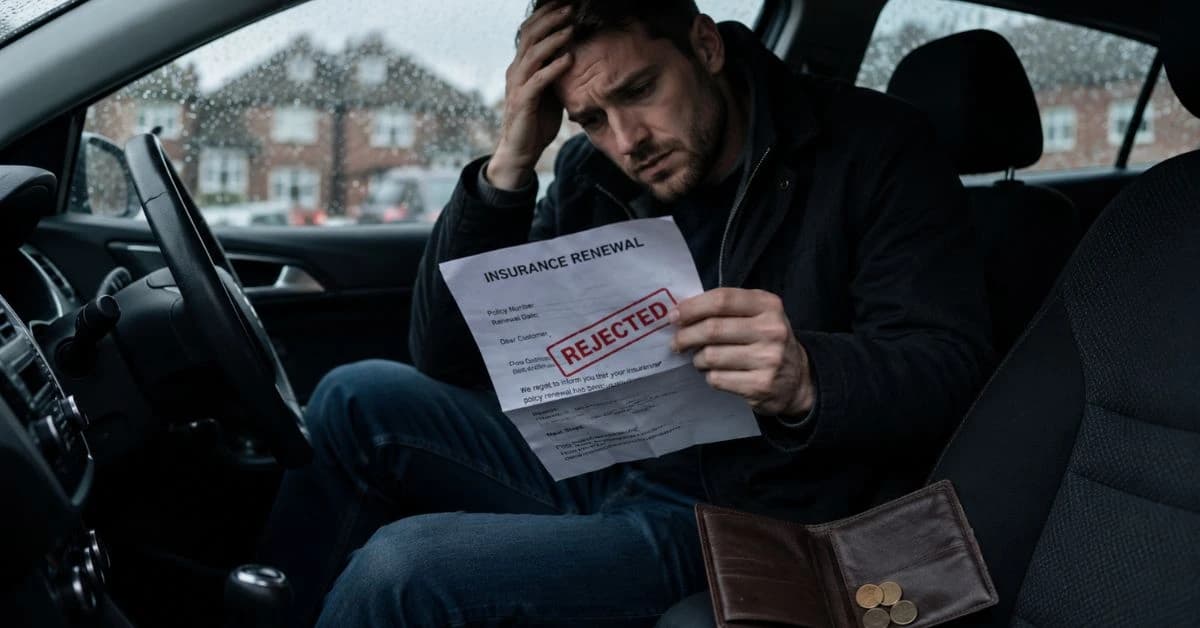
Car insurance mistakes are easy to make and expensive to fix. A small error on your policy can lead
12 June 2026
Be the first to share your thoughts
No comments yet. Be the first to comment!
Share your thoughts and join the discussion below.
.webp&w=3840&q=75)