
* All product/brand names, logos, and trademarks are property of their respective owners.
Construction projects involve hundreds of moving parts. Teams must coordinate schedules, manage budgets, track materials, communicate with subcontractors, and monitor progress at every stage. When information is scattered across spreadsheets, emails, and paper documents, mistakes become common, and delays start affecting project outcomes.
This is why many construction companies are investing in construction project management software. Modern digital tools help contractors organize operations, reduce manual work, and maintain better control over projects from start to finish.
The best software solutions do much more than scheduling. They help manage costs, resources, procurement, documentation, workforce planning, and financial reporting in one centralized platform.
Construction projects are becoming more complex every year. Clients expect faster delivery, tighter budgets, and greater transparency. At the same time, contractors must manage multiple stakeholders, suppliers, subcontractors, and field teams.
Without the right systems in place, project managers often face challenges such as:
Budget overruns
Missed deadlines
Poor communication
Material shortages
Document confusion
Resource allocation issues
Delayed approvals
Many companies still depend on spreadsheets and disconnected software tools. However, this approach creates information gaps that can slow decision-making.
The primary goal of construction project management software is to keep every project organized and visible. Instead of switching between multiple systems, teams can access project information from one location.
Project managers can track schedules, budgets, workforce assignments, purchase orders, and project documents without relying on manual updates.
When everyone works from the same platform, communication becomes easier. Similarly, project information remains consistent across departments.
Many contractors report fewer errors after implementing construction project management software because team members spend less time searching for information.
Selecting the right software requires more than comparing prices. Companies should carefully evaluate the available construction project management software features before making a decision.
The best platforms usually include several core capabilities.
Scheduling is one of the most important construction project management software features.
Construction projects depend on accurate timelines. Delays in one activity often affect multiple downstream tasks.
Good scheduling tools allow project managers to:
Create project timelines
Assign tasks
Track milestones
Monitor dependencies
Adjust schedules quickly
This helps teams stay aligned throughout the project lifecycle.
Controlling costs remains one of the biggest challenges in construction.
Effective construction project management software provides real-time visibility into project expenses. Managers can compare actual costs against planned budgets and identify issues before they become serious problems.
Key budgeting capabilities include:
Cost forecasting
Expense monitoring
Budget comparisons
Change order tracking
Financial reporting
These tools help companies protect profit margins.
Construction companies manage labor, equipment, and materials simultaneously.
One of the most valuable construction project management software features is resource planning.
Managers can:
Allocate workers efficiently
Schedule equipment usage
Prevent resource conflicts
Monitor workforce productivity
As a result, projects run more smoothly, and downtime is reduced.
Construction projects generate large amounts of documentation.
Examples include:
Drawings
Contracts
RFIs
Submittals
Inspection reports
Safety records
Modern construction project management software stores these documents in a centralized system. Teams can access the latest versions without searching through emails or folders.
Likewise, document permissions help maintain security and accountability.
Field staff often need project information while working on-site.
Many modern solutions offer mobile applications that allow workers to:
View schedules
Upload photos
Submit reports
Update task progress
Access project documents
Mobile functionality has become one of the most requested construction project management software features because it improves communication between office and field teams.
Cost control directly affects project profitability.
Small budget overruns can quickly become significant financial losses when multiplied across multiple projects.
With construction project management software, contractors gain better visibility into financial performance throughout the project lifecycle.
Managers can monitor:
Labor costs
Material expenses
Equipment costs
Subcontractor payments
Procurement spending
This level of transparency helps companies make informed decisions faster.
In comparison to manual spreadsheets, automated reporting provides more accurate and timely financial data.
While project management tools focus primarily on project execution, erp construction software connects the entire business.
An ERP platform integrates multiple departments into one system.
This includes:
Project management
Accounting
Procurement
Inventory
Human resources
Equipment management
Financial reporting
By connecting these functions, erp construction software creates a single source of truth for the organization.
Information entered once becomes available across departments, reducing duplicate work and improving accuracy.
Companies that adopt digital project management systems often experience improvements across multiple areas.
Common benefits include:
Better project visibility
Faster decision-making
Improved communication
More accurate cost tracking
Reduced paperwork
Better schedule management
Increased productivity
Improved client reporting
Different departments may use separate systems that do not communicate with one another.
This creates operational inefficiencies.
ERP construction software helps solve several common challenges:
Different construction sectors have different requirements.
For example:
Commercial construction
Residential construction
Infrastructure projects
Civil engineering
Specialty contracting
The software should support your specific workflows.
Many contractors are moving away from traditional on-premise systems.
Cloud-based platforms offer several advantages.
These include:
Remote access
Automatic updates
Reduced IT costs
Better scalability
Improved collaboration
Similarly, cloud solutions make it easier for distributed teams to access project information from any location.
Many modern construction project management software platforms now operate primarily through cloud infrastructure.
Technology continues to reshape the construction industry.
Several trends are influencing the future of project management platforms.
These include:
Artificial intelligence
Predictive analytics
Real-time dashboards
Mobile workforce management
Integrated procurement systems
Automated reporting
Digital document control
Future construction project management software features will likely provide even greater visibility and automation.
Likewise, erp construction software will continue connecting more business functions into unified platforms.
Companies that adopt modern systems early often gain competitive advantages through better efficiency and decision-making.
Construction companies need more than isolated tools.
They need software that connects projects, finances, teams, and operations within a single platform.
Bouwflow helps contractors manage project planning, budgeting, procurement, workforce coordination, document management, and reporting from one centralized system.
Its integrated approach combines many essential construction project management software features while supporting broader business operations through erp construction software capabilities.
Construction companies face constant pressure to deliver projects on time and within budget. Managing schedules, costs, resources, and communication manually becomes increasingly difficult as projects grow in complexity.
This is why many contractors invest in construction project management software. The right solution helps teams stay organized, improve collaboration, track costs accurately, and maintain visibility throughout the project lifecycle.
When evaluating software options, companies should focus on critical construction project management software features such as scheduling, budgeting, resource management, document control, and mobile access. These capabilities play a major role in project success.
At the same time, erp construction software provides broader operational benefits by connecting project management, accounting, procurement, inventory, and reporting into one integrated platform.
Ultimately, the best construction project management software is the one that supports both project execution and long-term business growth. Companies that invest in the right technology today will be better positioned to manage future projects efficiently, control costs effectively, and build stronger teams.

No bio available yet.
If your diesel engine is losing power, struggling to start, or burning more fuel than usual, low com
18 August 2026
Wall corners take more punishment than almost any other surface in a busy commercial building. Troll
17 August 2026
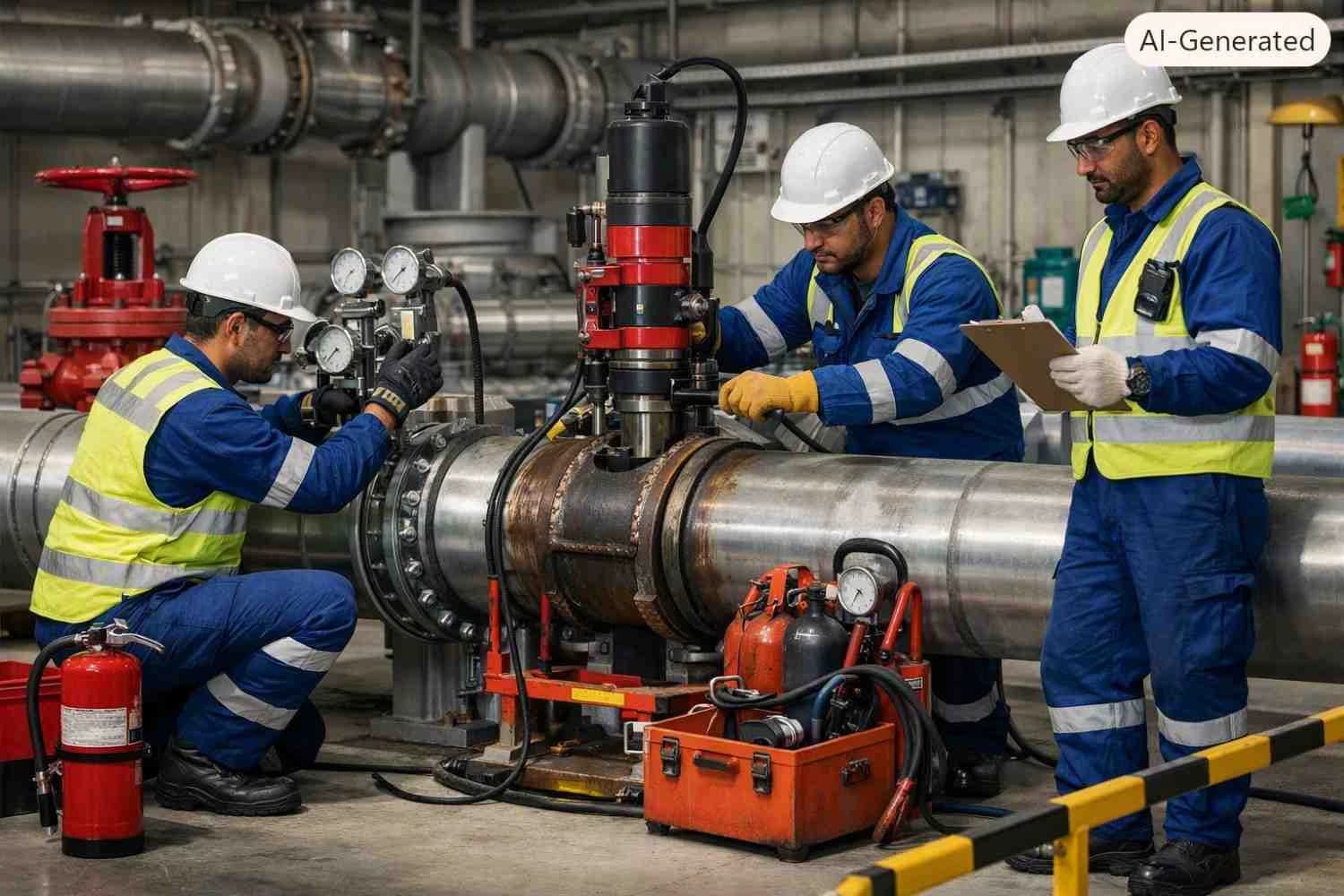
Many industries depend on Hot tapping services in UAE to connect to active pipelines without stoppin
24 July 2026
Be the first to share your thoughts
No comments yet. Be the first to comment!
Share your thoughts and join the discussion below.

.webp&w=3840&q=75)
.webp&w=3840&q=75)