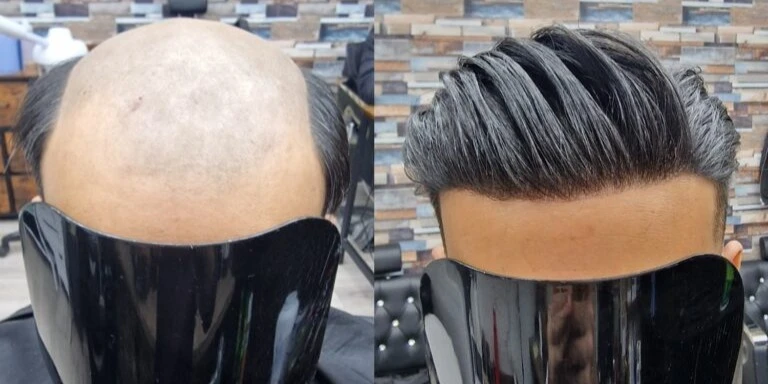
Hair system knots and hairline construction play an important role in how natural a hair replacement system looks. While hair colour, density and hairstyle often receive the most attention, the way individual hair strands are attached to the base is equally important.
A hair system uses a base material to hold the replacement hair in place. The method used to attach each strand can influence the appearance of the scalp, the visibility of the hairline and the overall durability of the system.
For men considering non-surgical hair replacement, understanding these details can make choosing a suitable system much easier. It also helps explain why two hair systems with similar hair quality can produce different results.
The right combination of knotting technique and hairline design can create a more realistic finish. Explore professional hair replacement options at https://www.londonhairreplacement.co.uk/.
What Are Hair System Knots?
- Hair system knots are small attachments used to secure individual hair strands to the base material. They are commonly found in lace hair systems, where the hair is tied to the mesh-like foundation.
- Each knot holds the hair in position and helps determine the direction in which it falls. The size, placement and construction of these knots can affect how the hair system looks when worn.
- Smaller knots are often preferred in areas where a natural appearance is important. They can be less noticeable, particularly around the front hairline.
- Larger knots may provide additional strength, depending on the construction method. However, they can sometimes be more visible when the hair is lifted or parted.
- The choice of knotting technique depends on the base material, desired hairstyle and balance between natural appearance and durability.
Different Types of Hair System Knots
Hair systems can use different knotting techniques depending on the material and intended finish. Understanding the main methods can help men recognise the differences between available options.
Single Knots
- Single knots are created by attaching individual hair strands to the base using one knot. This technique is commonly used in lace hair systems.
- One advantage is that single knots can be relatively small. This helps reduce their visibility and creates a more discreet appearance.
- They are particularly useful in areas where the hairline is exposed. Smaller knots can help the hair appear as though it is growing directly from the scalp.
- However, single knots may require careful handling. Repeated pulling, rough brushing and incorrect cleaning can contribute to hair shedding.
- Their durability depends on the quality of construction and the way the system is maintained.
Double Knots
- Double knots use an additional knotting step to secure the hair strands to the base.
- This technique can provide stronger attachment in certain areas. It may be useful where additional hair security is more important than having the smallest possible knots.
- However, double knots can be more noticeable than single knots. Their size may affect the appearance when the hair is styled away from the scalp.
- For this reason, they are not always the preferred option for exposed front hairlines.
- The choice between single and double knots depends on the design of the system and the wearer's priorities.
Bleached Knots
- Bleached knots are treated to make their appearance less noticeable. The process lightens the dark appearance of knots, helping them blend more closely with the scalp.
- This technique is often used to create a more realistic finish, particularly around the front hairline.
- Bleached knots can be useful for men who prefer hairstyles that expose the hairline. They help reduce the contrast between the knots and the scalp.
- However, bleaching requires care. Excessive chemical treatment can weaken the hair around the knot and may increase shedding.
- The technique should therefore be carried out carefully as part of the system's construction.
What Is Hairline Construction?
- Hairline construction refers to the way the front edge of a hair replacement system is designed and made.
- The hairline is one of the most visible parts of a hair system. It frames the face and has a strong influence on whether the replacement hair looks natural.
- A natural hairline usually contains slight variations in hair density and positioning. It does not look like a perfectly straight row of evenly spaced hair.
- Professional hairline construction aims to recreate these natural details. This involves selecting suitable hair density, placing strands at realistic angles and creating a gradual transition between the scalp and replacement hair.
- The shape of the hairline should also suit the individual's facial features and age.
- A well-designed hairline can make a significant difference to the overall appearance, even when the rest of the hair system is relatively simple.
Different Hairline Construction Techniques
There are several approaches to creating a natural-looking hairline. The best option depends on the base material, hairstyle and personal preferences.
Graduated Hairline
- A graduated hairline uses lower hair density towards the front and gradually increases density further back.
- This creates a softer transition between the forehead and the replacement hair.
- Natural hairlines often have fine, less dense hairs at the front. Recreating this pattern helps avoid the appearance of a thick, artificial edge.
- Graduated density can be particularly useful for men who prefer to wear their hair away from the forehead.
Freestyle Hairline
- A freestyle hairline is designed to provide flexibility in styling. The hair is ventilated in a way that allows it to be arranged in different directions.
- This can be useful for men who do not want to maintain one fixed hairstyle.
- However, the degree of flexibility depends on the ventilation pattern and base construction. Not every freestyle system can be styled in every direction.
Natural Irregular Hairline
- A natural irregular hairline includes small variations in hair placement and density.
- This design avoids an overly straight or uniform appearance. It aims to recreate the slight differences found in natural hair growth.
- A completely symmetrical hairline can sometimes look artificial. Small, carefully planned variations can create a softer finish.
- The design should still be balanced and appropriate for the person's facial structure.
How Do Knots Affect the Appearance of a Natural Hairline?
- The relationship between knots and hairline construction is important because both influence how the front of the system looks.
- Large or dark knots may become visible when the hairline is exposed. This can create the impression that the hair is attached to a base rather than growing naturally.
- Smaller knots and suitable bleaching techniques can reduce this visibility. However, the result also depends on the colour of the base and the quality of the ventilation.
- Hair direction is another important detail. If the hair is attached at an incorrect angle, it may stand up unnaturally or fall in an unsuitable direction.
- The density should also be carefully controlled. Too much hair around the front edge can create a heavy appearance.
- A realistic hairline requires attention to all these details rather than relying on one particular knotting method.
Common Hairline Problems Men Should Understand
Some hair system problems are related to poor construction or unsuitable customisation.
- An overly straight hairline is a common concern. It may look different from natural hair growth, particularly when the front edge is fully exposed.
- Another issue is excessive density. If too much hair is placed at the front, the result can look heavy and less realistic.
- Visible knots can also affect the finish. This may happen when the knotting technique is unsuitable for the intended hairstyle or when the base material is not well matched to the scalp.
- These issues highlight the importance of selecting a system based on individual requirements rather than appearance in product photographs alone.
Why Professional Hair System Customisation Matters
- A natural-looking hair replacement system requires more than good-quality human hair. The knots, ventilation pattern, base material and hairline construction must work together.
- Professional customisation allows these details to be considered before fitting. A specialist can assess your preferred hairstyle, facial features and existing hair to recommend a suitable design.
- This is particularly important for men who prefer exposed hairlines or styles that require the front section to be brushed backwards.
- Proper fitting also helps ensure that the system sits correctly and that the front edge is positioned naturally.
If you are exploring professional men's hair replacement services, you can find further information at https://www.londonhairreplacement.co.uk/hair-replacement-for-men-london/.
Final Thoughts
Hair system knots and hairline construction have a major influence on the appearance and performance of a replacement system. Knotting techniques determine how hair is attached to the base, while hairline construction helps create a natural transition at the front of the scalp.
Single knots, double knots and bleached knots each offer different characteristics. Similarly, graduated density and natural irregular hairline designs can help create a more realistic finish.
There is no single construction method that suits every man. The best choice depends on the base material, preferred hairstyle, facial features and maintenance requirements.
Understanding these details before choosing a hair system can help you make a more informed decision and achieve a result that feels comfortable and looks natural.