* All product/brand names, logos, and trademarks are property of their respective owners.
Selling a car in Brisbane is not only about the make, model, age, or kilometres on the odometer. The physical and mechanical condition of the vehicle can have a major effect on how buyers respond to it and what they are willing to pay.
Two cars of the same model and year can have different selling prices if one has a clean interior, good tyres, working lights, and a healthy engine while the other has body damage, worn parts, or mechanical faults.
The condition of a car also affects the type of buyer who may be interested. A well-maintained vehicle may attract private buyers who want a car for daily use. A damaged or non-running vehicle may attract people who want it for parts, repairs, recycling, or other purposes.
Understanding these differences can help Brisbane car owners set realistic expectations before putting a vehicle up for sale.
The mechanical condition of a car is one of the main things buyers look at. The engine, transmission, brakes, steering, suspension, cooling system, battery, and electrical parts all play a role in how a vehicle performs.
Problems in any of these areas can affect the amount a buyer is willing to offer. An engine that starts easily and runs without unusual noises may attract more interest than an engine that produces smoke, has leaks, overheats, or has starting problems.
Transmission faults can also affect a sale. Slipping gears, delayed gear changes, or unusual transmission noises may mean that the buyer will need to spend money on repairs. The same applies to braking and suspension problems. Worn brake components, damaged shock absorbers, steering faults, or uneven tyre wear can raise concerns during a vehicle inspection.
The outside condition of a car can also affect a sale. Small scratches, faded paint, minor dents, and stone chips are common on older vehicles. These marks may not stop a car from being driven, but they can affect how buyers view its condition.
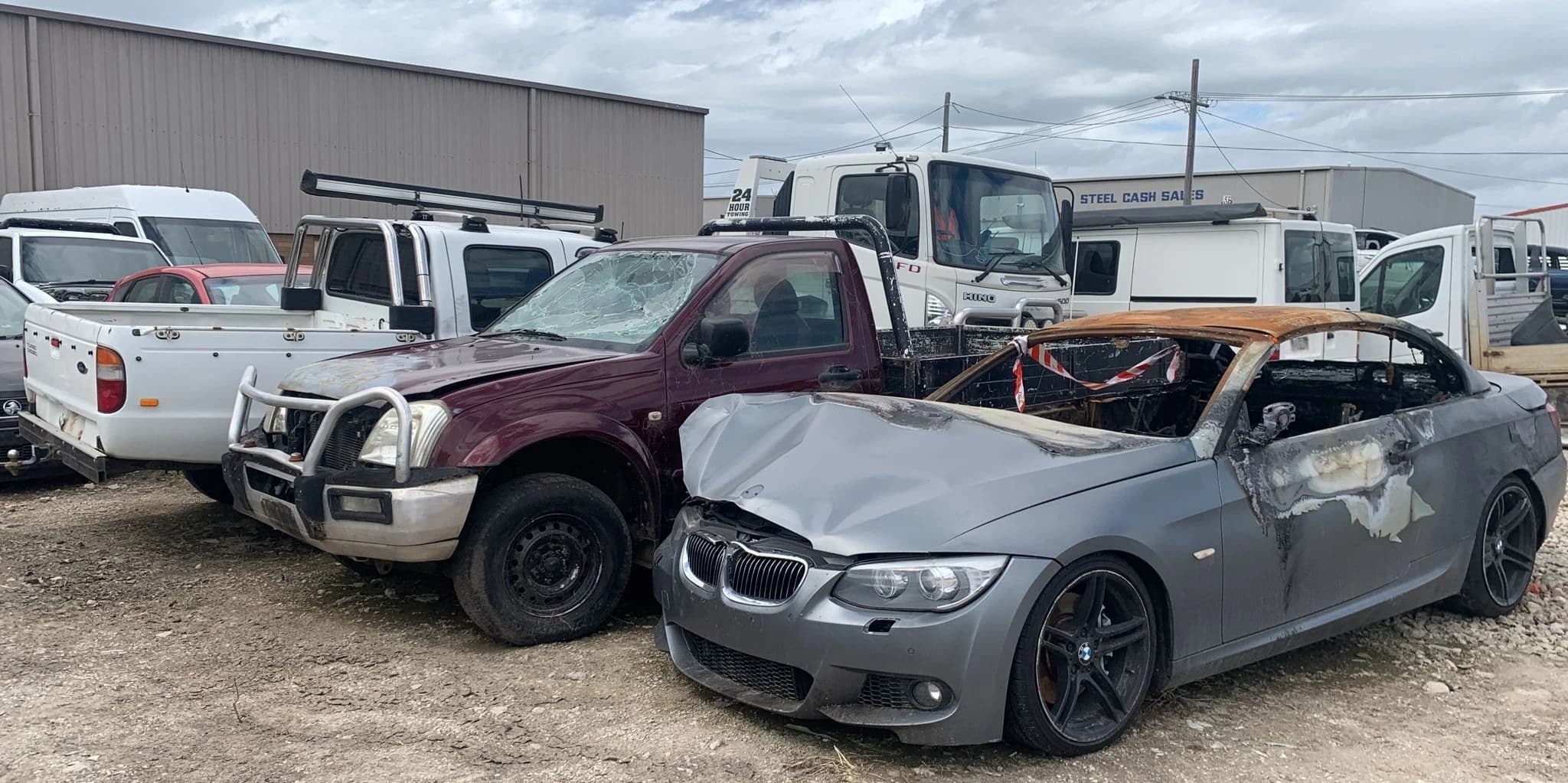
Larger damage can have a stronger effect. Damaged doors, cracked bumpers, dented panels, broken lights, rust, damaged windows, or signs of previous accident repairs may lead a buyer to consider future repair costs before making an offer.
Rust also deserves attention. Surface rust may be limited to the outer body, while deeper rust can affect important parts of the vehicle structure. Queensland safety certificate inspections include checks for body rust or damage, along with areas such as tyres, brakes, steering, suspension, windscreens, and lights.
The inside of a car can tell a buyer a lot about how the vehicle has been treated. Dirty seats, damaged upholstery, stained carpets, strong odours, broken switches, or damaged trim can reduce buyer interest.
These problems may not always affect how the engine runs, but they still form part of the overall condition of the vehicle. Cleaning the seats and carpets, removing rubbish, and checking small interior faults can make the vehicle present better during an inspection.
The age of the vehicle should also be considered before spending money on interior repairs. Spending a large amount on cosmetic work may not always make financial sense on an older car.
Tyres are an important part of a vehicle because they are directly related to road safety. A buyer may check the tread, general condition, and signs of uneven wear before deciding what to offer.
A vehicle that needs four new tyres may require a significant expense after purchase. Uneven tyre wear can also point to other problems, such as wheel alignment, suspension wear, or steering issues.
In Queensland, tyres are among the components checked during a safety certificate inspection. This means their condition can also matter when a vehicle is being prepared for a registration transfer.
Previous accident damage can have a major effect on a vehicle's history and resale prospects.
Minor repairs do not always have the same effect as major structural damage. Buyers may look at panel gaps, paint differences, replaced parts, repair records, and the quality of previous repair work.
A vehicle that has suffered major damage may also have a written-off history. Queensland has a written-off vehicle register, and a repairable write-off that has passed the required inspections remains recorded on the register. This history can continue to affect future resale.
A statutory write-off cannot be re-registered for road use in Queensland. A repairable write-off can return to the road after meeting the required inspection requirements.
This history is important when selling because buyers may consider it when deciding whether to purchase the vehicle.
For more information about selling unwanted trucks, visit https://www.localcashforcar.com.au/cash-for-trucks-brisbane/
Queensland has specific rules for selling registered vehicles. For most light vehicles, a current safety certificate is required when transferring registration to a new owner.
The certificate is issued by an approved inspection station. The inspection checks basic safety standards, including areas such as tyres, brakes, steering, suspension, windscreens, lights, and body rust or damage.
A safety certificate is not a complete mechanical inspection. It does not assess the overall quality of the vehicle or tell a buyer how long its engine, transmission, or other components are expected to last.
For private sellers in Queensland, a safety certificate is generally valid for two months or 2,000 kilometres, whichever comes first. A new certificate is required for each transfer.
A service history gives buyers a record of work carried out on the car. Regular oil changes, brake repairs, tyre replacements, battery replacement, major servicing, timing belt work, cooling system repairs, transmission servicing, and suspension repairs can all form part of a vehicle's maintenance history.
These records do not remove existing faults, but they can help buyers understand how the vehicle has been maintained.
If a major repair was recently completed, keeping the invoice can also show what work was carried out and when it was completed.
One small fault may not seem important, but several faults together can change the overall condition of a car.
For example, a vehicle may have a cracked windscreen, worn tyres, a weak battery, scratched panels, a damaged seat, and an air conditioning fault. Each issue can involve a separate repair cost.
When several problems are present, a buyer may calculate the combined repair cost before making an offer. This is why it is useful to assess the vehicle as a whole rather than looking at only one problem.
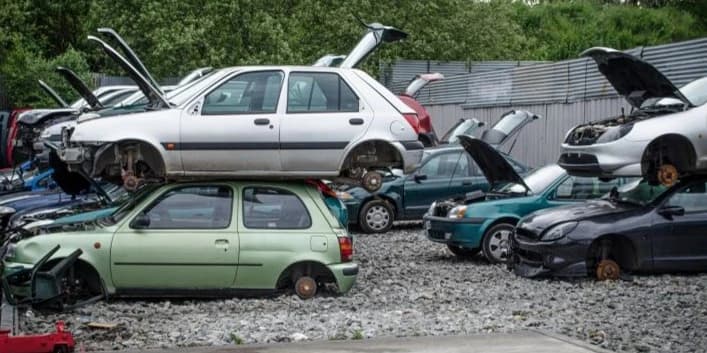
Not every vehicle is suitable for a private sale. If a car has major mechanical faults, accident damage, severe body damage, or does not run, repairing it before selling may not always make financial sense.
The repair cost could be high compared with the amount the vehicle may gain in resale price. In such cases, a car-buying service can provide another way to sell the vehicle.
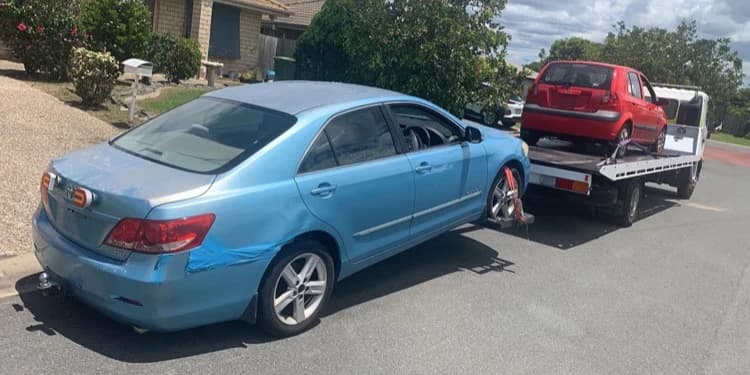
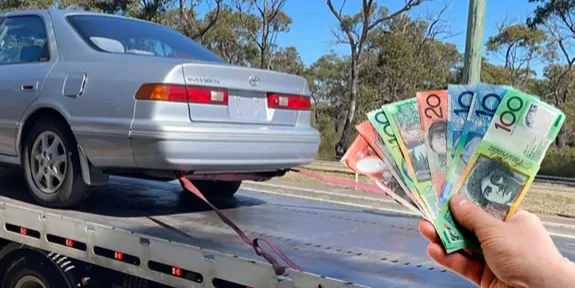
For people looking to sell my car for cash Brisbane, Local Cash For Cars Brisbane provides a service for owners with unwanted vehicles in different conditions. This can be relevant when a vehicle is old, damaged, unwanted, or no longer suitable for normal private sale. The condition of the car still matters because it helps determine how the vehicle is assessed and what type of buyer may be interested in it. Visit: https://www.localcashforcar.com.au/sell-my-car-for-cash/
Before advertising a car, inspect its condition carefully. Start with the engine, tyres, brakes, lights, body, interior, and windows.
Check for warning lights on the dashboard. Look for fluid leaks and unusual engine noises. Check whether the air conditioner, windows, locks, indicators, and other controls work.
It is also worth checking the registration status and gathering documents connected with the vehicle. If the car has accident damage or a written-off history, make sure the relevant information is known before discussing the sale.
Car condition has a direct connection with the way a vehicle can be sold in Brisbane. Mechanical faults, body damage, tyre wear, interior condition, accident history, registration status, mileage, and service records can all affect buyer interest.
A vehicle in good running condition may attract private buyers looking for daily transport. A damaged, non-running, or unwanted vehicle may have a different market, including buyers interested in repairs, parts, or recycling.
Queensland also has specific requirements for registration transfers and safety certificates, so sellers should understand these rules before completing a sale.
The key is to assess the vehicle honestly, understand its current condition, and choose a selling method that matches the car's state. This can help avoid unrealistic expectations and make the selling process clearer for both the seller and buyer.

Hi, I’m Freya Parker, an automotive expert based in Melbourne. I specialise in helping people navigate the car selling process with confidence and ease. From valuing your vehicle to understanding market trends, I provide practical tips and honest advice to help you get the best possible price. My goal is to make selling your car simple, stress-free, and rewarding no confusion, just clear guidance and results.
Replacing a damaged car door can cost a lot when you choose a brand-new replacement. A used car door
22 September 2026
Be the first to share your thoughts
No comments yet. Be the first to comment!
Share your thoughts and join the discussion below.