* All product/brand names, logos, and trademarks are property of their respective owners.
Selling a scrap car involves more than handing over an old vehicle and receiving payment. Before a scrap car is bought, it is usually assessed to check its condition, parts, weight, and recyclable materials. This process helps determine how the vehicle can be dismantled and processed after the sale.
A scrap car may have a damaged body, a failed engine, worn parts, or years of use. Even when it cannot be driven, it can still contain steel, aluminium, copper, glass, tyres, batteries, and other materials. Some parts may also be removed for reuse.
Knowing how scrap cars are assessed can help owners understand what happens before a vehicle is sold and prepared for recycling.
Scrap car assessment is the process of checking a vehicle before it is bought for dismantling or recycling. The assessment looks at the vehicle as a whole and also considers its individual parts and materials.
The make, model, age, condition, weight, engine, gearbox, body, missing parts, and recyclable materials can all form part of the assessment. The buyer may also need to know whether the vehicle can be driven or needs to be collected from its current location.
The purpose is to understand what the vehicle contains and how it can be handled after the sale.
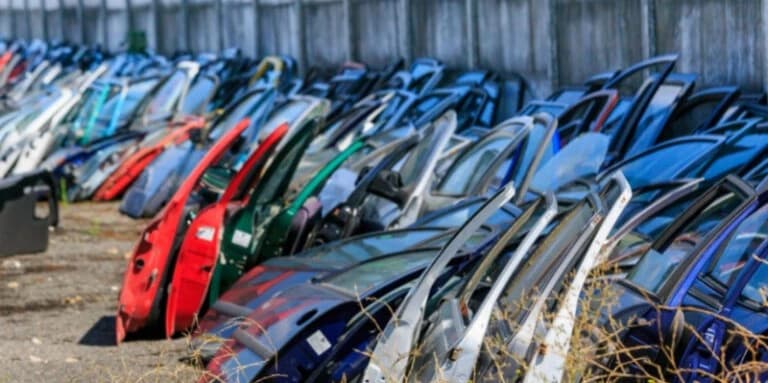
Some scrap cars contain parts that can be removed and reused. These can include lights, mirrors, doors, wheels, seats, radiators, alternators, starters, electronic components, and suspension parts.
The condition of these components can vary greatly. A vehicle may have major accident damage in one area while many other parts remain in working condition.
This is why the condition of individual parts can be important during the assessment, rather than only looking at the outside of the vehicle.
Metal is one of the main materials recovered from end-of-life vehicles. Most cars contain a large amount of steel, while some also contain aluminium, copper, and other metals.
During the recycling process, different metals can be separated and sent through suitable recycling systems. Ferrous metals, such as steel and iron, can be separated from non-ferrous metals such as aluminium and copper.
The weight and type of metal in the vehicle can therefore form part of the assessment.
Weight can play a role when a scrap car is assessed. A vehicle contains a large amount of metal, so its weight can help give an idea of the amount of material that may be recovered.
The actual amount of recyclable metal depends on the vehicle and the parts that remain in it. If major components have already been removed, the remaining vehicle will have a different weight from a complete vehicle of the same model.
Some recycling facilities use weighing equipment as part of their process.
Missing parts can affect the assessment because a partly dismantled car is different from a complete vehicle.
For example, the removal of the engine, wheels, battery, catalytic converter, or other major components changes what remains in the vehicle.
A partly dismantled car can still be processed for recycling, but the buyer needs to know which parts are present. Owners should provide accurate information about missing components when requesting an assessment.
The catalytic converter is part of the exhaust system and may also be considered during a scrap car assessment.
It contains a structure coated with small amounts of precious metals. These can include platinum, palladium, and rhodium. The amount and type can vary depending on the vehicle and catalytic converter.
For this reason, the presence of the catalytic converter can be relevant when assessing a scrap vehicle. If it has already been removed, the owner should mention this to the buyer.
Scrap cars contain several fluids that need suitable handling before the vehicle is processed. These can include engine oil, coolant, brake fluid, transmission fluid, fuel, and air-conditioning refrigerant.
These substances should not be allowed to leak into the ground or ordinary waste streams. Recycling facilities use procedures for draining and handling vehicle fluids.
This stage is important because responsible vehicle recycling involves more than recovering metal. Fluids and other materials also need to be handled correctly.
A scrap car contains many materials apart from metal. Tyres, glass, plastics, rubber, foam, and other materials may also be removed during dismantling.
Vehicle glass can be handled through suitable recycling processes, while tyres can be processed separately from the metal body.
The exact method depends on the recycling facility and the materials it accepts. Separating these materials helps direct them into the correct waste or recycling stream.
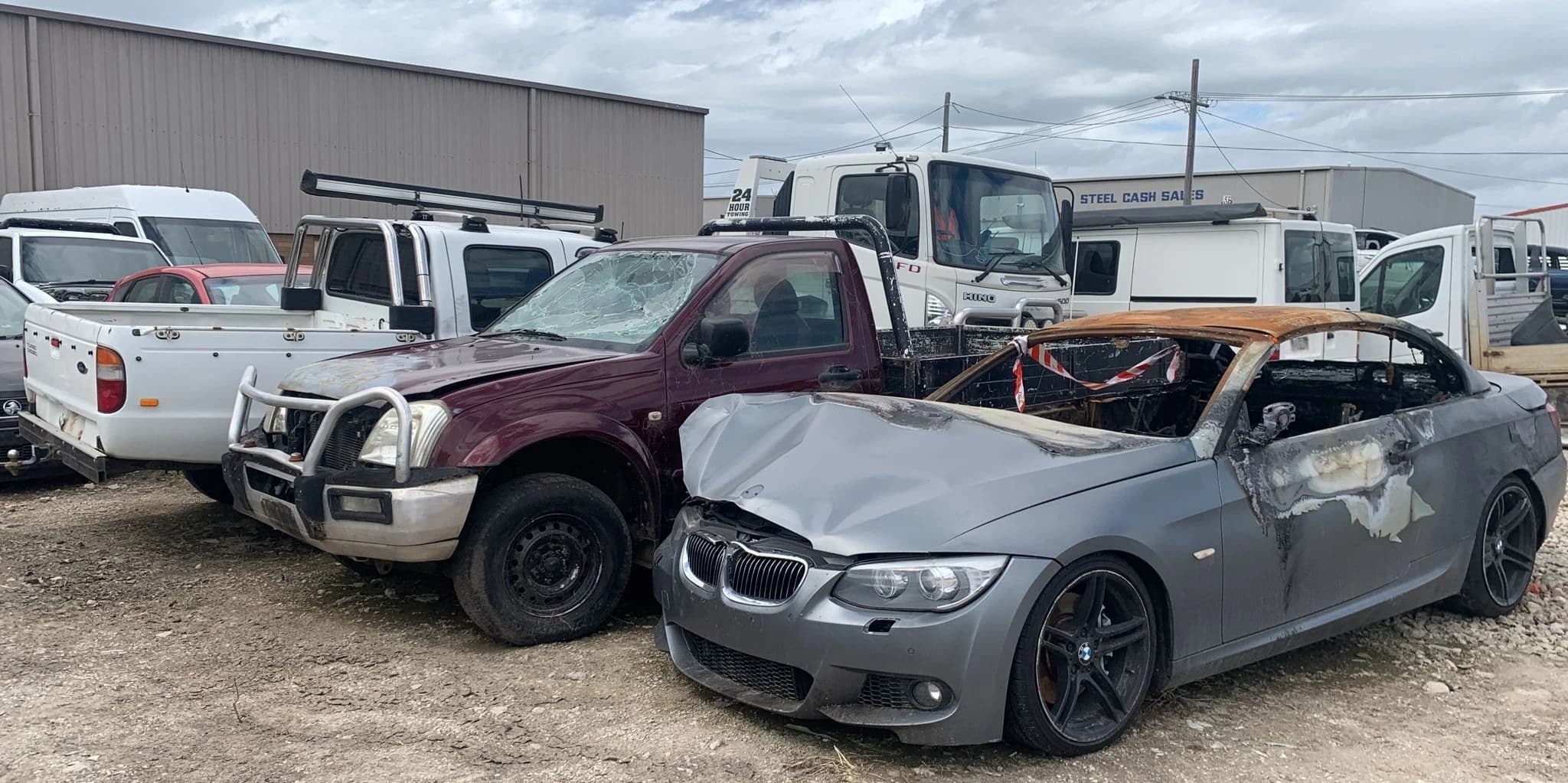
Accident damage can have a major effect on the condition of a vehicle. The assessor may look at damage to the body, chassis, suspension, engine, lights, airbags, and other components.
A written-off vehicle may still contain many usable parts. For example, a vehicle with front-end damage may still have usable doors, wheels, seats, rear lights, or mechanical components.
The assessment helps identify which parts can be removed and whether the remaining body should be processed as scrap metal.
Accurate information helps the buyer understand the vehicle before the assessment. Owners should provide the make, model, year, location, condition, and registration details when available.
It is also useful to mention whether the vehicle runs, whether it has accident damage, and whether major parts have been removed.
Photos can also help show the condition of the vehicle. Clear information can reduce differences between an initial assessment and the condition found when the vehicle is inspected.
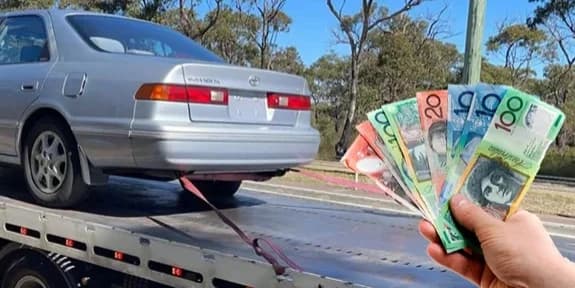
For owners with an unwanted vehicle in Ipswich, the assessment is part of deciding how the car can be handled at the end of its use. When looking for cash for scrap cars in Ipswich, owners can provide details about the vehicle, its condition, location, and missing parts. This gives the buyer information needed to assess the car before collection. ADRIAN'S Metal Recyclers provides this service in the Ipswich area, connecting the assessment process with vehicle collection, dismantling, and metal recovery.
After the vehicle has been assessed, the next steps depend on its condition and the recycling process used by the buyer.
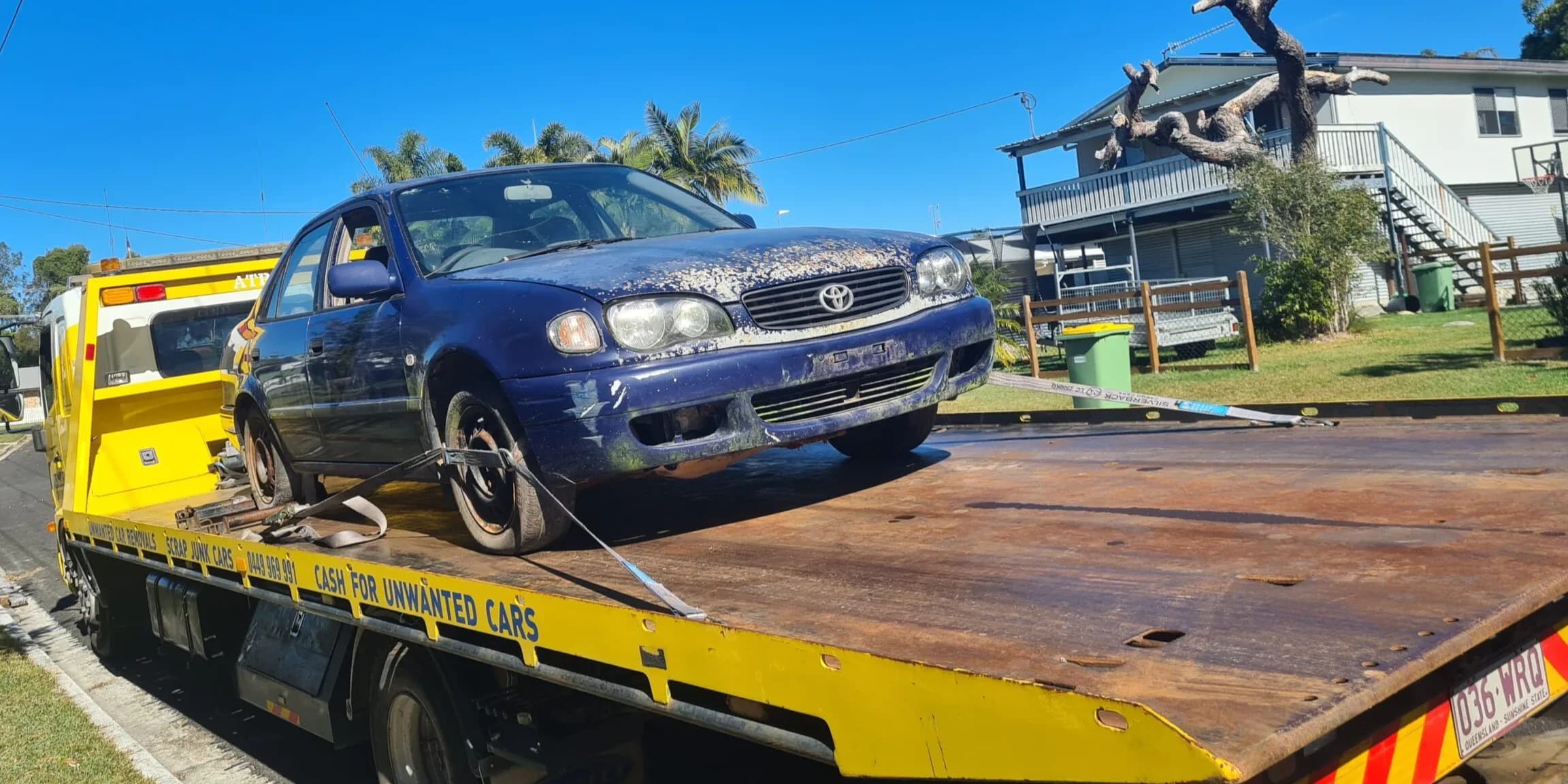
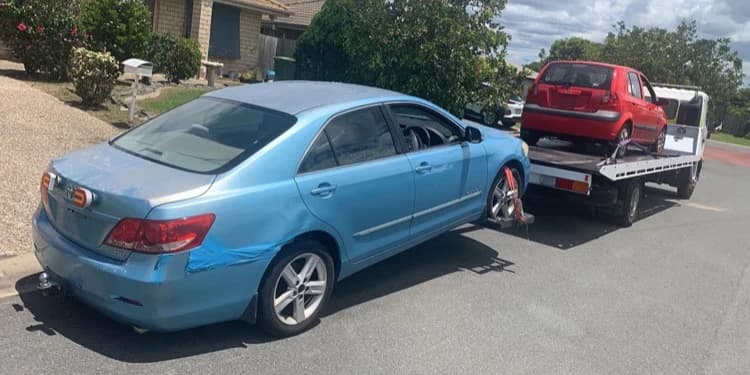
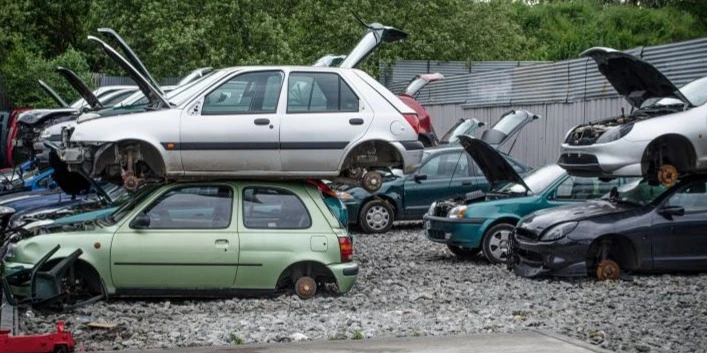
The vehicle may be collected and taken to a dismantling or recycling facility. Fluids can then be drained, reusable parts can be removed, and different materials can be separated.
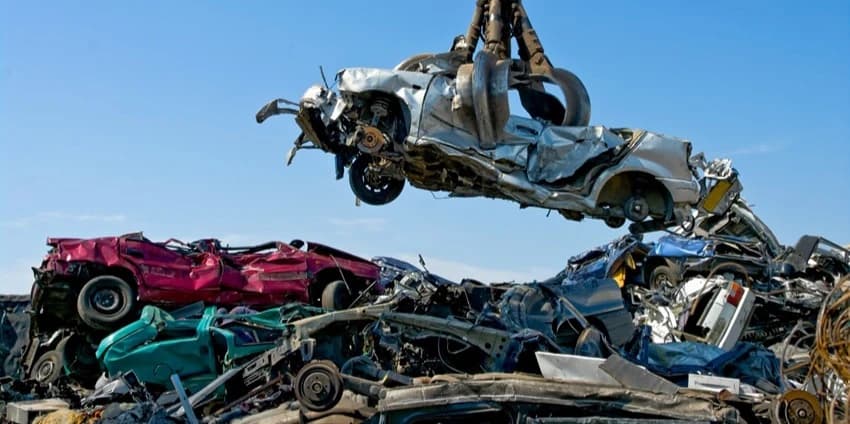
The remaining vehicle body can be processed for metal recovery. Steel, aluminium, copper, and other materials can enter suitable recycling streams, while tyres, glass, batteries, and other components can be handled separately.
The exact process varies between recycling facilities and depends on the type and condition of the vehicle.
A scrap car is not simply one piece of metal. It contains many different parts and materials that need different methods of handling.
An assessment helps identify what the vehicle contains and how those materials can be processed. It can also help identify parts that may still be useful before the remaining vehicle is sent for material recovery.
This process can reduce unnecessary waste and allow more materials from an old vehicle to be recovered.
Before selling a scrap car, the owner should remove personal belongings from the vehicle and gather any vehicle documents that are available.
The owner should also provide accurate information about the condition of the car. Problems such as a failed engine, accident damage, missing wheels, or a removed catalytic converter should be mentioned before collection.
Owners should not try to remove hazardous fluids themselves unless they have the correct training and equipment. Electric and hybrid vehicles also require extra care because their high-voltage battery systems can create serious safety risks.
Learn more about scrap metal recycling services on the Gold Coast: https://adrians.com.au/scrap-metal-recycler-gold-coast/
Scrap car assessment involves much more than checking whether an old vehicle still runs. The make, model, age, condition, weight, metal content, usable parts, missing components, and recycling requirements can all form part of the process.
A damaged or non-running vehicle can still contain steel, aluminium, copper, batteries, tyres, glass, and parts that can be recovered. Each material can have a different route during end-of-life vehicle processing.
Understanding the assessment process gives car owners a clearer picture of what happens before an unwanted vehicle is sold and prepared for recycling. It also shows why accurate vehicle information is important when arranging a scrap car assessment.

Hi, I’m Freya Parker, an automotive expert based in Melbourne. I specialise in helping people navigate the car selling process with confidence and ease. From valuing your vehicle to understanding market trends, I provide practical tips and honest advice to help you get the best possible price. My goal is to make selling your car simple, stress-free, and rewarding no confusion, just clear guidance and results.
A car can remain useful for many years, but there comes a point when keeping it on the road no longe
22 September 2026
Selling an unwanted car in Brisbane can raise one main question: how much is it worth? There is no f
22 September 2026
If you have an old car sitting in your driveway that will never pass an inspection, you are probably
21 September 2026
Be the first to share your thoughts
No comments yet. Be the first to comment!
Share your thoughts and join the discussion below.