* All product/brand names, logos, and trademarks are property of their respective owners.
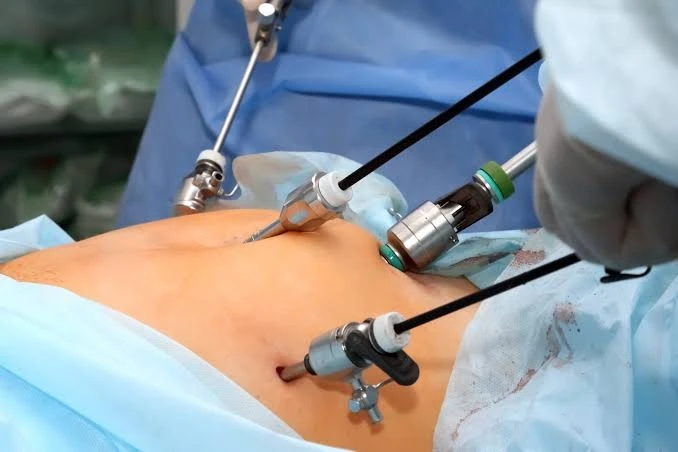
Medical technology has transformed the way surgeons diagnose and treat abdominal conditions. Laparoscopic surgery in Islamabad are a minimally invasive approach that uses small incisions, a camera, and specialized instruments to perform procedures with greater visualization and precision. Recent developments in imaging, surgical robotics, artificial intelligence, and intraoperative guidance are helping make minimally invasive surgery more sophisticated and adaptable.
One of the most important developments in laparoscopic surgery is the improvement in camera and imaging technology. Modern laparoscopic systems can provide high-definition views of the surgical field, allowing surgeons to identify anatomical structures more clearly.
Better visualization can be particularly valuable when tissues, blood vessels, or organs are difficult to distinguish. Enhanced imaging may help surgeons make more informed decisions while performing procedures such as gallbladder surgery, hernia repair, appendectomy, and other abdominal operations.
Fluorescence-guided surgery is another important advancement in minimally invasive procedures. Technologies using fluorescent agents such as indocyanine green (ICG) can help surgeons visualize certain tissues and blood flow during an operation.
This technology is especially useful when surgeons need additional information about anatomy or tissue perfusion. In laparoscopic and robotic procedures, fluorescence imaging can be incorporated into the camera system, allowing surgeons to switch between conventional and enhanced views during surgery. Research and clinical applications of fluorescence-guided surgery continue to expand.
Robotic-assisted surgery represents one of the major technological developments related to laparoscopic procedures. Robotic platforms provide surgeons with enhanced instrument dexterity, magnified visualization, and greater control during selected complex operations.
The technology can be particularly useful in procedures involving difficult anatomy or patients with previous surgeries and adhesions. However, robotic surgery does not automatically mean better results for every patient. The appropriate approach depends on the procedure, patient's condition, surgeon's expertise, and available technology. Recent evidence continues to evaluate where robotic assistance provides meaningful advantages over conventional laparoscopy.
Artificial intelligence (AI) is becoming an emerging part of modern surgical technology. AI systems are being researched for tasks such as surgical image analysis, anatomy recognition, procedural guidance, and decision support.
Some experimental systems have also demonstrated increasingly advanced robotic capabilities. However, these developments should not be confused with routine autonomous surgery. AI-assisted technologies remain an evolving area, and appropriate clinical oversight, surgeon judgment, patient safety, and governance remain essential.
Modern laparoscopic surgery is also benefiting from improved methods of viewing anatomy during an operation. In addition to standard camera systems, surgeons may use technologies such as laparoscopic ultrasound and intraoperative cholangiography in selected procedures.
For example, updated guidance on laparoscopic gallbladder surgery has highlighted the role of intraoperative cholangiography for identifying bile duct anatomy and detecting possible stones during surgery. The recommendation remains conditional and should be applied according to the patient's circumstances and available expertise.
Advances in laparoscopic instruments continue to improve surgical control. More refined graspers, energy devices, stapling systems, and flexible instruments allow surgeons to perform delicate movements through small access points.
The fundamental benefit of laparoscopy remains its minimally invasive nature. Compared with traditional open procedures in appropriate cases, laparoscopic surgery generally involves smaller incisions and may support reduced postoperative discomfort, shorter hospital stays, and faster recovery. The exact recovery experience varies according to the procedure and individual patient factors.
Patients considering laparoscopic surgery in Islamabad should understand that technology is only one part of successful surgical care. A modern operating environment, appropriately selected equipment, experienced surgical staff, anesthesia support, and careful postoperative monitoring all contribute to patient safety.
Not every patient needs the newest technology, and not every procedure is suitable for robotic or advanced image-guided surgery. During consultation, the surgeon should explain why a particular technique is appropriate and discuss its expected benefits, limitations, and potential risks.
The future of minimally invasive surgery is likely to involve closer integration between advanced imaging, robotics, AI, and surgical decision-making. Research is also exploring new fluorescence technologies, spectral imaging, and other methods that could provide surgeons with more information during procedures.
These developments could make laparoscopic surgery increasingly precise and personalized. Nevertheless, technology should complement—not replace—the experience, judgment, and responsibility of a qualified surgeon.
Laparoscopic surgery is widely used and can be safe when performed for an appropriate condition by a qualified surgical team. Like every surgical procedure, it carries potential risks.
It usually involves several small incisions rather than one large abdominal incision. Scarring varies depending on the procedure and individual healing.
Robotic surgery is a form of minimally invasive surgery that uses robotic instruments controlled by a surgeon. Conventional laparoscopy uses specialized instruments operated directly by the surgical team.
Recovery depends on the type of procedure, overall health, and whether complications occur. Your surgeon can provide a procedure-specific recovery timeline.
Consider the surgeon's qualifications, experience with your specific procedure, hospital facilities, and willingness to explain the treatment options and potential risks.
The latest advances in laparoscopic surgery are improving visualization, instrument control, intraoperative guidance, and minimally invasive treatment options. From enhanced imaging and fluorescence technology to robotic assistance and emerging AI applications, these innovations are shaping the future of surgery. Patients considering treatment should discuss their individual condition with a qualified surgeon to determine which laparoscopic technique is most appropriate for their needs. For patients seeking modern surgical care, SKN Cosmetics provides access to a range of medical and surgical treatment services through its healthcare platform.

Binish Khan is a passionate content writer who creates engaging, informative, and reader-friendly articles and guest posts. With a focus on originality, research, and clear communication, Binish aims to deliver valuable content across a variety of topics.
If you've been scrolling through wellness forums or your favorite health influencer's feed lately,&n
23 September 2026
Weight management can be challenging, especially when diet and exercise alone do not produce the des
12 August 2026
If you've been struggling with stubborn fat that doesn't respond to diet or exercise, you may have c
5 August 2026
Be the first to share your thoughts
No comments yet. Be the first to comment!
Share your thoughts and join the discussion below.

.webp&w=3840&q=75)