

* All product/brand names, logos, and trademarks are property of their respective owners.
Applying for Common Law Sponsorship in Canada can be an excellent pathway for couples who want to build their future together in Canada. The program allows Canadian citizens and permanent residents to sponsor their common-law partners for permanent residency, helping families stay united. However, despite the straightforward goal of family reunification, many applications face delays, requests for additional information, or even refusals due to avoidable mistakes. Understanding these common errors can help couples submit a stronger application and improve their chances of success.
Immigration authorities carefully assess every sponsorship application to ensure applicants meet all eligibility requirements. Even small errors can raise concerns about credibility or result in significant processing delays.
Many applicants assume that because their relationship is genuine, approval is guaranteed. Unfortunately, immigration officers rely heavily on documentation and evidence rather than personal assumptions. A strong application must clearly demonstrate eligibility, cohabitation, and the authenticity of the relationship.
Below are some of the most common mistakes couples make when applying for common-law sponsorship and how to avoid them.
One of the most frequent reasons for refusal is failing to prove continuous cohabitation for at least 12 consecutive months.
To qualify as common-law partners under Canadian immigration rules, couples must have lived together in a marriage-like relationship for a minimum of one year. Some applicants mistakenly believe that dating for several years automatically qualifies them, even if they have not lived together continuously.
To avoid this mistake:
Immigration officers need evidence, not assumptions.
Many couples underestimate the amount of evidence required to prove their relationship is genuine.
Submitting only a few photographs or basic documents may not adequately demonstrate a long-term committed partnership.
Strong evidence may include:
The goal is to paint a complete picture of your relationship over time.
Leaving sections blank, entering inaccurate information, or submitting outdated forms can lead to processing delays or application rejection.
Before submitting your application:
A simple oversight can result in your application being returned for correction.
Immigration officers compare information across all forms and supporting documents.
Discrepancies involving addresses, employment history, relationship timelines, or travel dates can raise concerns.
Examples include:
To prevent confusion, create a detailed relationship timeline before completing your application and ensure all information matches across documents.
Some couples experience temporary separations due to work, education, travel, or family obligations.
While short separations do not necessarily disqualify a common-law relationship, failing to explain them can create problems.
If you were temporarily apart:
Transparency helps immigration officers understand the circumstances.
An application containing hundreds of pages of unsorted evidence can be difficult to review.
Immigration officers process thousands of applications and appreciate organized submissions.
Best practices include:
A well-organized application makes it easier for officers to evaluate your case.
Some applicants hesitate to disclose previous marriages, sponsorships, or long-term relationships.
Attempting to hide important information can have serious consequences.
Canadian immigration authorities conduct thorough background reviews. If omitted information is discovered, it may be treated as misrepresentation.
Always disclose:
Honesty is essential throughout the process.
Although there is generally no minimum income requirement for sponsoring a common-law partner, sponsors must demonstrate their ability to support the applicant.
Insufficient financial documentation can create concerns about future financial stability.
Helpful documents include:
Providing comprehensive financial information strengthens the application.
During processing, immigration authorities may request additional documents, clarification, or updated information.
Failing to respond promptly can lead to delays or even refusal.
To avoid this:
Quick responses demonstrate cooperation and help keep the application moving forward.
Not all evidence carries the same weight.
For example, a few recent photographs may be less convincing than years of shared financial records and residential documents.
Focus on quality rather than quantity.
Strong evidence typically demonstrates:
Choose documents that directly support your eligibility.
Some applicants confuse dating relationships with common-law partnerships.
Being in a committed relationship does not automatically qualify someone for sponsorship.
Immigration officers require proof that the couple has:
Before applying, ensure you meet the legal definition of a common-law relationship.
Every relationship is different. Some couples may have cultural, professional, or personal circumstances that make their situation unique.
Examples include:
If something in your application may appear unusual, provide a detailed explanation and supporting evidence.
A proactive explanation can prevent misunderstandings.
Relationship eligibility is only one part of the sponsorship process.
Applicants must also satisfy:
Delays often occur when applicants fail to complete these requirements promptly or submit incomplete information.
Following instructions carefully helps avoid unnecessary complications.
Many applicants believe their personal story will be enough to prove their relationship.
While written explanations are valuable, supporting documentation remains critical.
Every claim should be supported whenever possible by:
The stronger the documentary evidence, the more convincing the application becomes.
One of the simplest yet most common mistakes is rushing to submit without conducting a thorough review.
Before submission:
A final review can identify errors that might otherwise delay processing or result in refusal.
To maximize your chances of approval:
Careful preparation is often the difference between a smooth process and unnecessary complications.
Applying for common-law sponsorship is an important step for couples planning a future together in Canada. While the process can be detailed and document-intensive, many of the most common problems are entirely preventable. By understanding the mistakes that frequently lead to delays or refusals, couples can prepare stronger applications and present convincing evidence of their genuine relationship.
Taking the time to organize documents, verify information, and meet all eligibility requirements can significantly improve the likelihood of a successful outcome. A well-prepared application not only reduces stress but also helps couples move closer to their goal of building a life together in Canada.

If you have an old car sitting in your driveway that will never pass an inspection, you are probably
21 September 2026
When you contact a car removal company to sell an unwanted vehicle, one of the first questions you m
18 September 2026
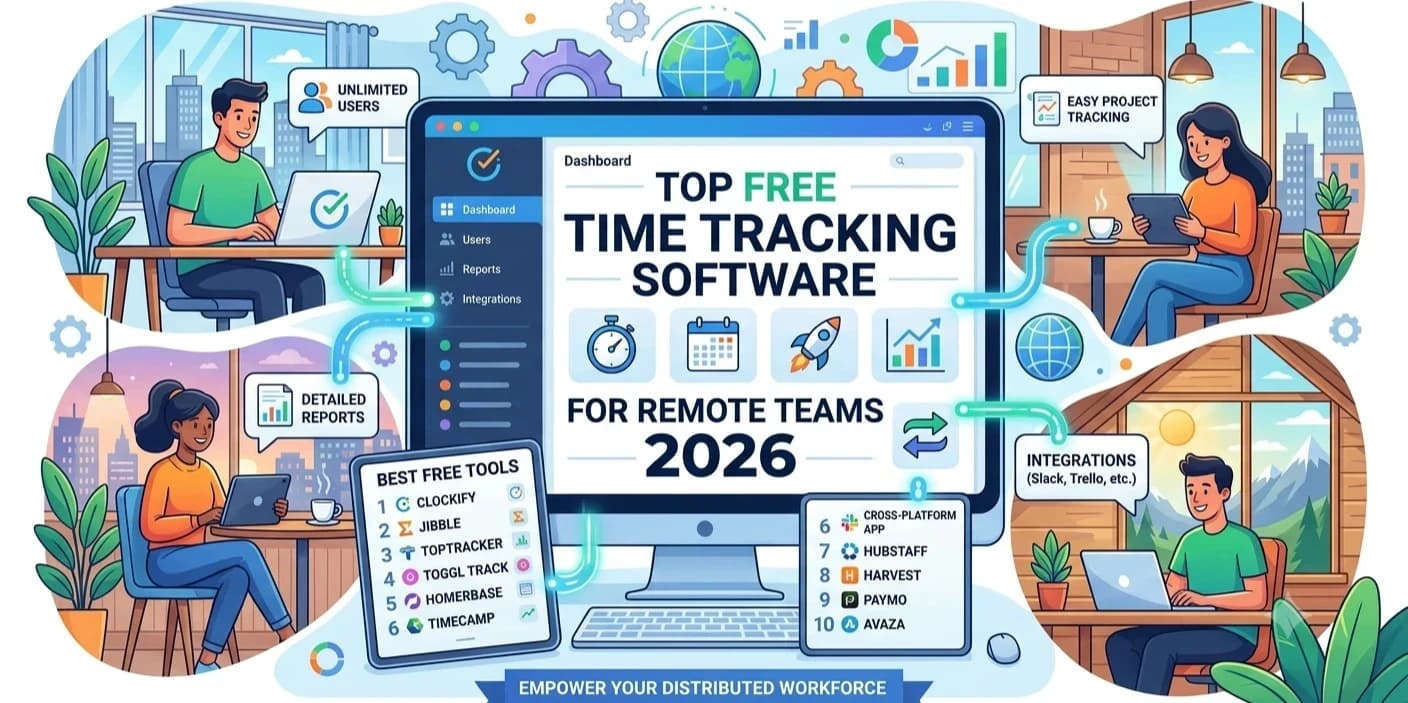
Managing a remote team across different locations and time zones can make it difficult to understand
8 September 2026
Be the first to share your thoughts
No comments yet. Be the first to comment!
Share your thoughts and join the discussion below.






.webp&w=3840&q=75)