* All product/brand names, logos, and trademarks are property of their respective owners.
Cars do not last forever, and at some point most owners face the same question: what happens to a vehicle once it can no longer be driven or repaired. In Sydney, this usually means finding a scrap car yard that can take the vehicle off your hands and put it to some further use, whether through recycling parts or breaking it down for materials.
This article looks at the full journey a car takes once it reaches a yard, along with the paperwork, checks, and decisions involved along the way. If you want to see how this applies to your own vehicle, you can look through the information at https://www.webuycarsforcash.com.au/ while reading through the steps below.
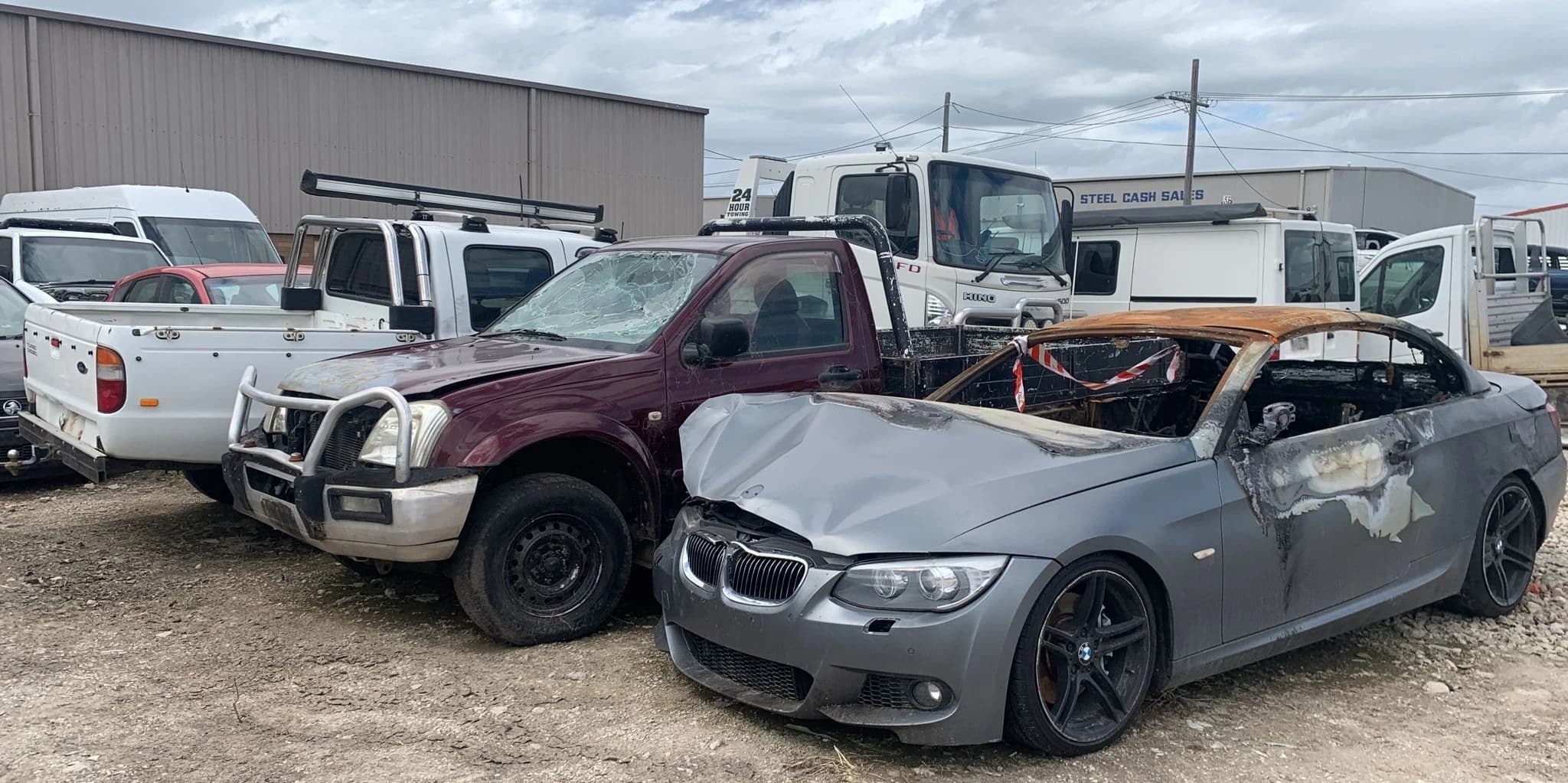
A vehicle rarely goes straight from daily use to a scrap yard without some kind of turning point along the way. Common reasons include a failed roadworthy inspection, damage from an accident that costs more to fix than the car is worth, or an engine that has simply reached the end of its life.
In some cases, the car has not been driven for a long time and has slowly deteriorated while parked. Rust, flat tyres, and a dead battery are common signs that a vehicle has moved past the point of practical repair. Once this happens, a scrap car yard in Sydney becomes the most sensible next step.
The process generally begins with a short conversation about the car itself. This includes the make, model, year, mileage, and a general description of its condition, including any known faults or missing parts.
Once these details are known, the yard forms an idea of what the car is likely worth. Some yards ask for photos at this stage, while others prefer to inspect the car in person before confirming anything in writing.
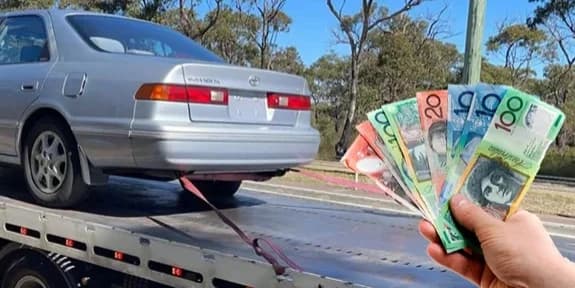
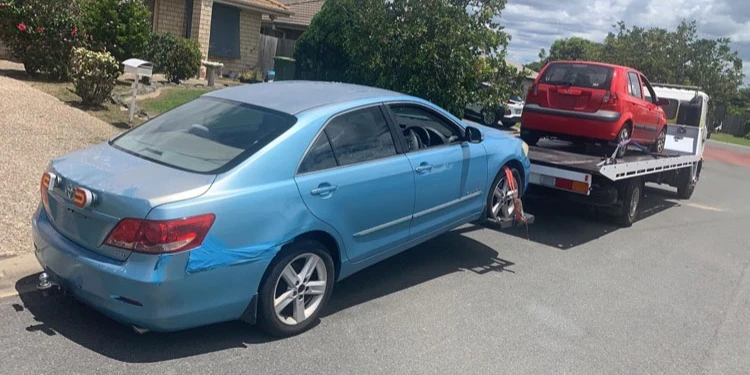
If the owner agrees to proceed, a date is set for the car to be collected. Since many of these vehicles cannot be driven safely, most yards arrange transport rather than expecting the owner to bring the car in themselves.
On the day of collection, ownership documents are checked and signed, and the transaction is completed. This final step officially transfers the vehicle out of the owner's hands.
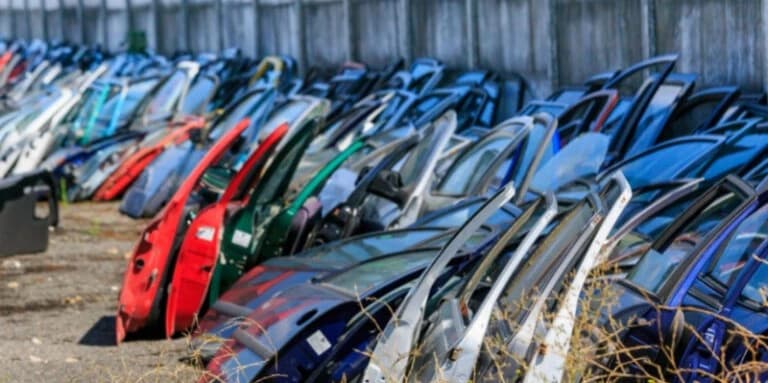
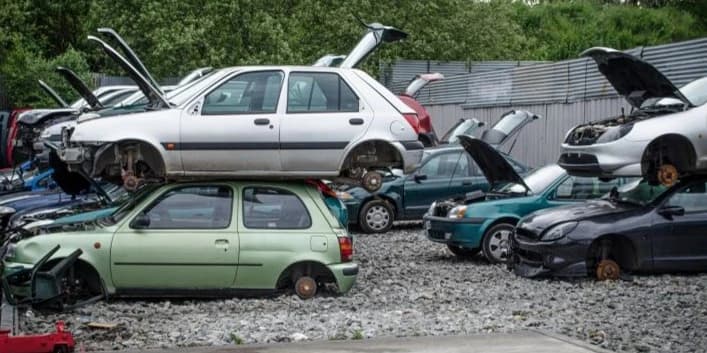
Once a car arrives at a scrap yard, it does not simply sit and rust away. Usable parts such as batteries, tyres, mirrors, and engine components are often removed and sold separately, since these can still serve another vehicle. What remains is broken down further, with metal and other materials sent off for recycling.
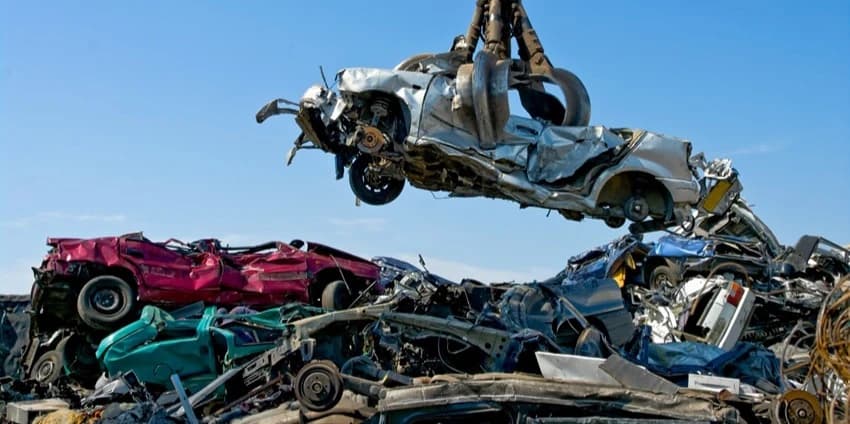
This process, sometimes referred to as scrap car recycling in Sydney, plays a part in reducing waste from vehicles that would otherwise take up space in a landfill. Rather than disappearing entirely, much of the car is reused in some form, either as spare parts or as raw material for something new.
Before arranging a pickup, it is worth gathering a few key documents. These typically include:
If the car is registered under a company name, additional paperwork may be needed to confirm authority to sell the vehicle. Having these items ready in advance means the collection process can be completed without delays.
Since not every yard operates in the same way, it is worth clarifying a few points before agreeing to anything. Useful questions include whether pickup is included in the offer, whether the amount can change once the car is inspected in person, and what documents are required on the day.
Asking about how long the whole process typically takes, from first contact to final collection, also gives a clearer picture of what to expect. Some vehicles are collected within a day or two, while others may take slightly longer depending on location and scheduling.
Many owners assume that a car with no working engine has little worth, but this is often not the case. Scrap yards are generally more interested in the overall condition, the presence of usable parts, and the type of metal involved, rather than whether the engine starts.
A car that has been sitting unused for years may still contain parts that are in reasonable condition, which adds to its value even if it cannot be driven at all. This is one reason many owners are surprised by how straightforward the process turns out to be, despite the vehicle looking far from roadworthy.
Among the businesses operating in this space, We Buy Cars for Cash works with vehicle owners across Sydney to manage the assessment, collection, and paperwork involved in taking an old car off someone's property. Its role fits within the general process described above, offering one point of contact rather than requiring owners to coordinate several separate steps themselves.
Reaching the end of a car's usable life is not always a simple moment, particularly if the vehicle has been relied upon for many years. However, understanding the steps involved in taking it to a scrap car yard in Sydney can make the decision easier to approach. From the first assessment through to collection and paperwork, the process is generally more straightforward than most owners expect, and it gives an old vehicle a purpose beyond sitting unused in a driveway.

Hi, I’m Freya Parker, an automotive expert based in Melbourne. I specialise in helping people navigate the car selling process with confidence and ease. From valuing your vehicle to understanding market trends, I provide practical tips and honest advice to help you get the best possible price. My goal is to make selling your car simple, stress-free, and rewarding no confusion, just clear guidance and results.
Be the first to share your thoughts
No comments yet. Be the first to comment!
Share your thoughts and join the discussion below.