* All product/brand names, logos, and trademarks are property of their respective owners.
A car can remain useful for many years, but there comes a point when keeping it on the road no longer makes sense. Age, major mechanical faults, accident damage, rust, and high repair costs can all affect whether a vehicle should continue to be driven.
Some owners keep repairing an old car because they have used it for years or because they hope another repair will solve the problem. Yet repeated repairs can add up, especially when several major parts begin to fail at the same time.
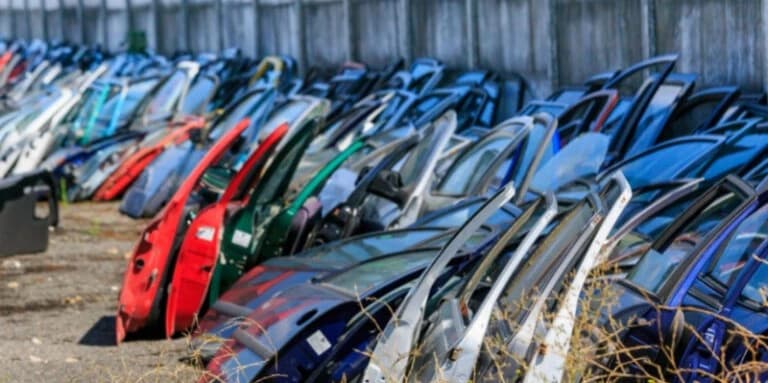
Selling a car for scrap can be an option when the vehicle has reached the end of its useful road life. Scrap vehicles can still contain metal, parts, glass, rubber, wiring and other materials that can be processed or reused.
Knowing the signs can help a car owner decide when keeping the vehicle is no longer practical.
One repair does not mean that a car should be scrapped. Older vehicles can need occasional work and still remain useful.
The situation is different when repairs become a regular part of owning the car. A vehicle may need work on the engine one month, the transmission later, and the suspension or electrical system soon after.
Frequent repairs can also take time away from daily use. If the car spends more time in a workshop than on the road, its condition should be reviewed.
A record of recent repairs can help show how much has been spent on the vehicle. It can also show whether repair problems are becoming more common.
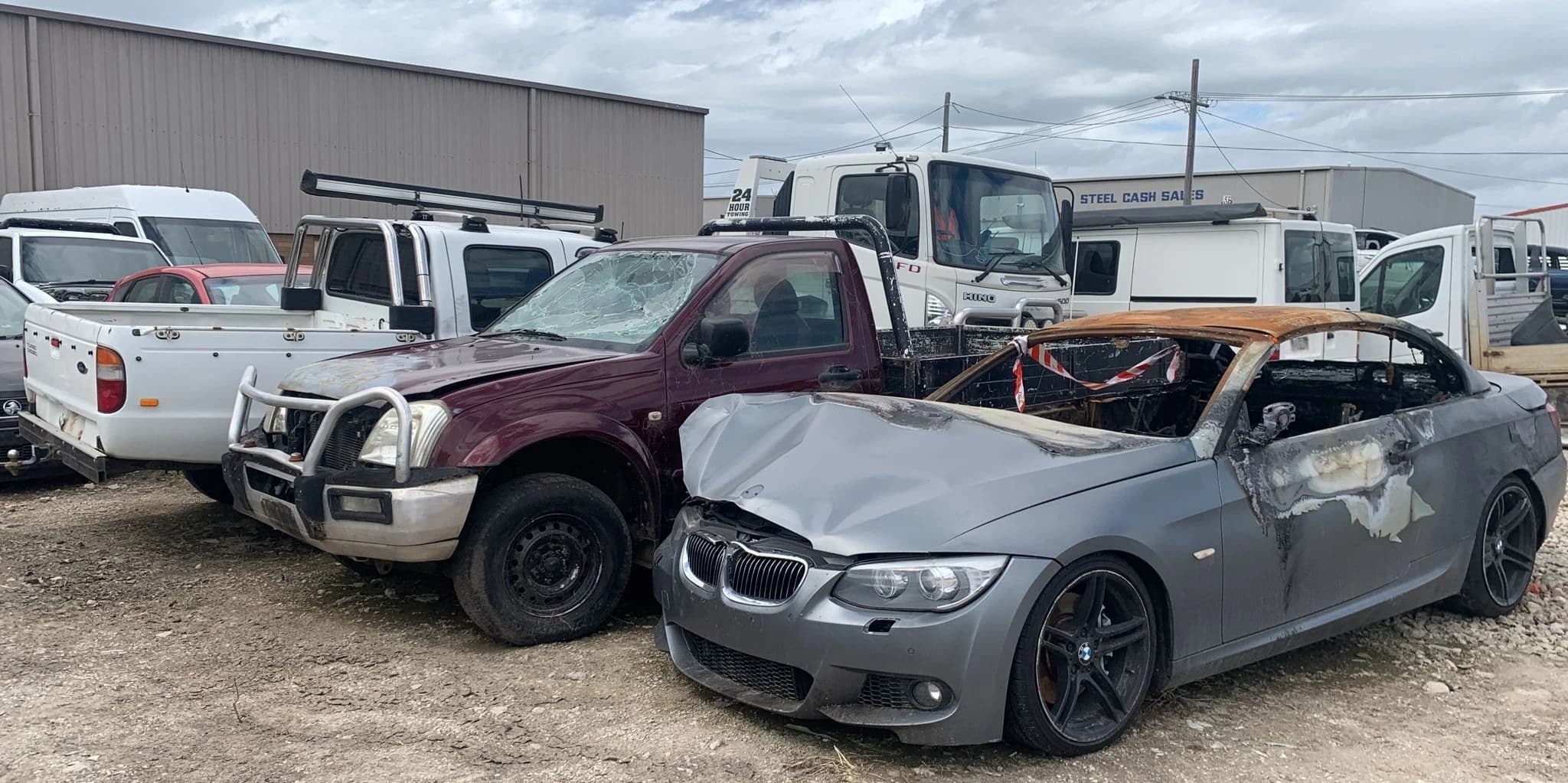
Some vehicles are damaged in crashes and cannot be returned to their former condition without major work.
Damage to the frame or other structural areas can be a serious concern. Even when many parts can be replaced, the repair bill can become very large.
An insurance company may also classify a badly damaged vehicle as a total loss when repairing it costs too much compared with the vehicle's insured or market value.
A damaged car does not always belong in a scrapyard. Some damaged vehicles still have usable engines, gearboxes, panels, wheels, electronics and other parts. However, severe damage can make the vehicle unsuitable for normal road use.
A non-running car is not automatically scrap.
A vehicle may stop running because of a flat battery, starter problem, fuel issue or another fault that does not require major work. Some non-running cars can be repaired and returned to the road.
The situation changes when the car does not run because of major engine damage, severe accident damage, serious electrical faults or several problems at once.
Non-running cars can still contain useful materials and parts. This is one reason why scrap buyers often accept vehicles that cannot be driven.
A vehicle that fails a roadworthy inspection may need repairs before it can legally be driven.
In Australia, roadworthy requirements vary by state and territory and can depend on the reason for the inspection. Safety-related faults may involve brakes, tyres, steering, suspension, lights and other parts.
A failed inspection does not mean the vehicle must be scrapped. The owner can compare the required repairs with the car's age and condition.
If the vehicle needs many repairs just to meet road safety requirements, the owner may decide that selling it for scrap is a more suitable option.
For more information about selling an old or unwanted vehicle, visit https://www.carwreckersadelaide.com/.
High mileage alone is not a reason to scrap a car. Some vehicles continue to operate for many years when they receive proper care.
The bigger issue is the condition of the major components.
A high-mileage car may eventually need work on the engine, transmission, suspension, steering, cooling system and electrical components. When several of these systems show serious wear at the same time, repair costs can rise.
The odometer should therefore be considered alongside the vehicle's maintenance history and current mechanical condition.
A car should be safe to operate on public roads.
Repeated problems with brakes, steering, tyres, suspension, lights or other safety-related systems should not be ignored.
If safety faults keep returning after repairs, the vehicle needs a proper mechanical assessment. In some cases, continued repairs may restore the car to a safe condition. In other cases, the cost of bringing an old vehicle back to a suitable condition may be too high.
Safety should always come before keeping an old vehicle on the road.
A car that has been sitting in a driveway, garage or yard for a long period can develop problems.
Tyres can lose pressure. Batteries can discharge. Rubber parts can deteriorate. Fluids can become contaminated, and brakes can develop corrosion.
An unused car also takes up space and may continue to require registration, insurance or maintenance depending on its circumstances.
If the owner has no plan to return the vehicle to regular use, selling it for scrap can clear the space while allowing its materials and usable parts to enter the recycling or dismantling process.
A scrap car is not simply thrown away.
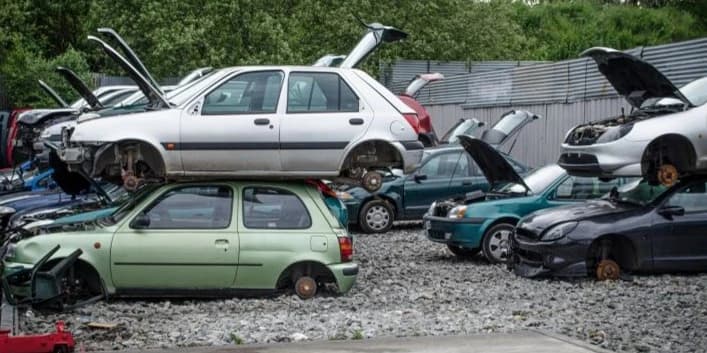
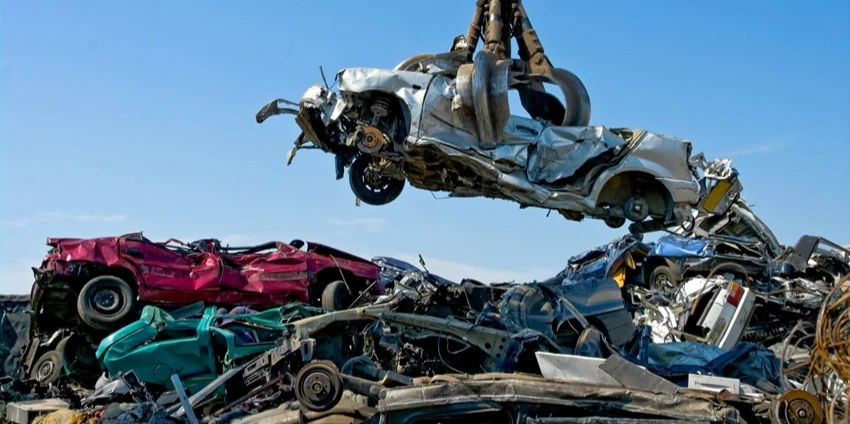
Depending on its condition and local processes, a vehicle may be dismantled before the remaining shell is processed for recycling.
Usable parts can be removed for reuse. Materials such as steel and aluminium can be recovered and processed for use in other products.
Other materials may also be separated during vehicle recycling. These can include glass, rubber, plastics, wiring and fluids.
Vehicle recycling reduces the amount of material sent to landfill and allows metals to be recovered from vehicles that are no longer suitable for road use.
For owners in Adelaide, the condition of the vehicle can help determine whether selling it for scrap is a suitable option. Cars that are old, damaged, non-running or costly to repair may still have worth because of their metal and usable components.
Before selling, owners should gather the vehicle's available paperwork and remove personal belongings. It is also important to check the requirements that apply to registration cancellation and ownership transfer in South Australia.
A seller should also give accurate information about the vehicle's condition. Details such as accident damage, missing parts, engine faults and whether the car runs can help a buyer assess it correctly.
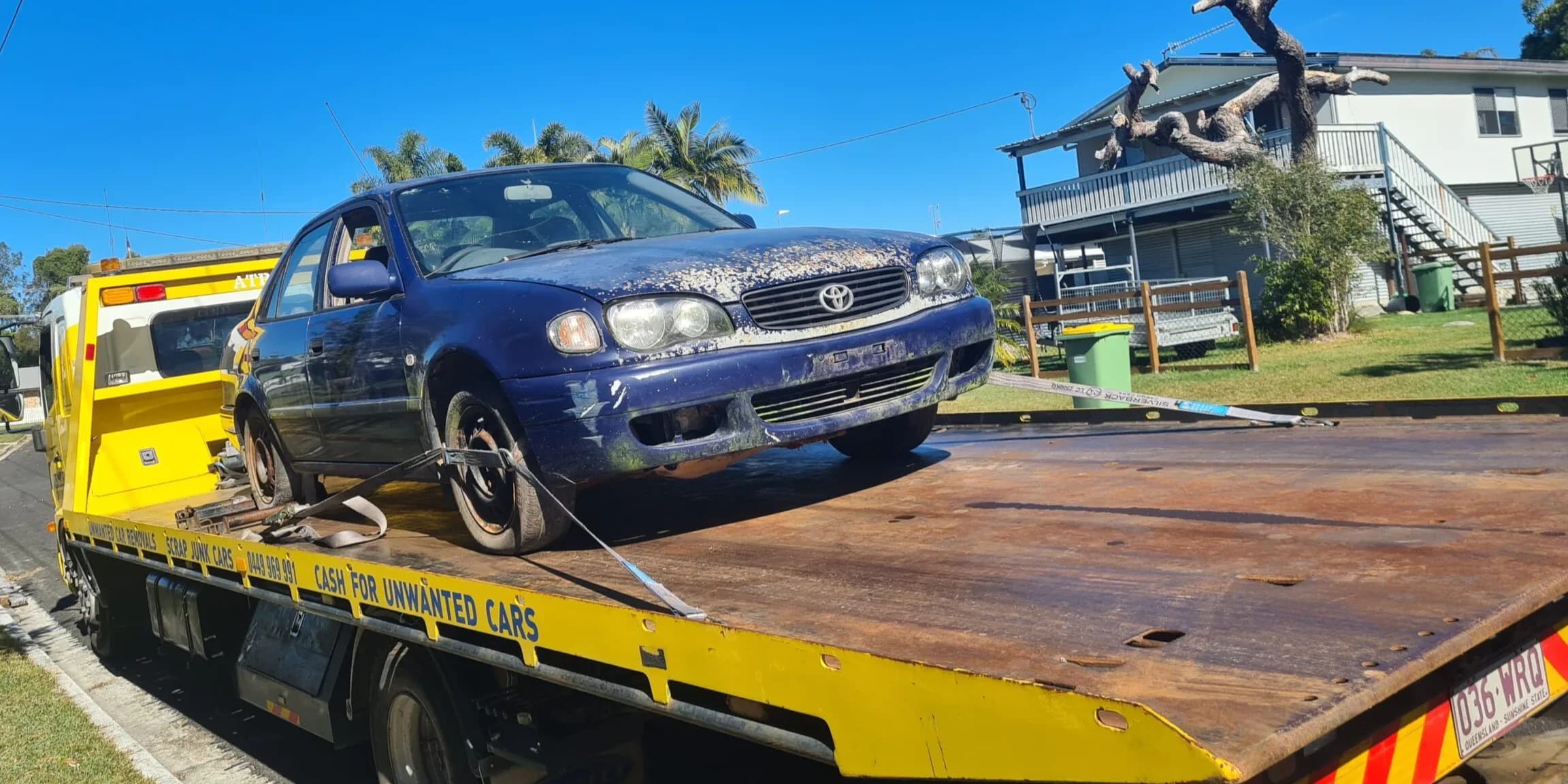
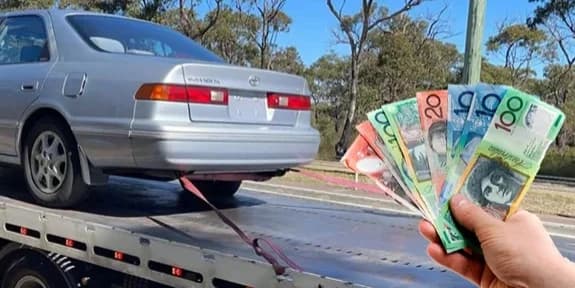
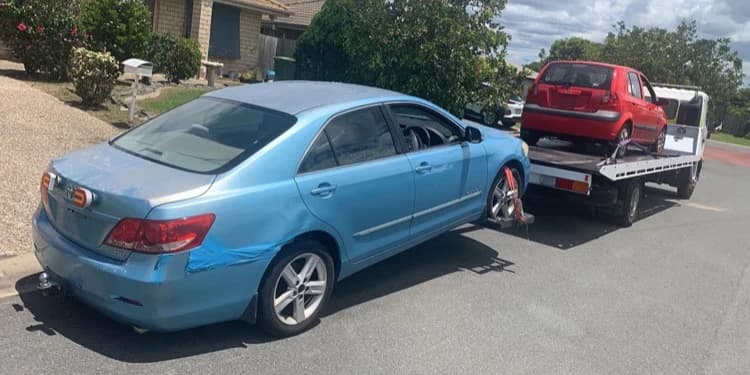
For owners who have decided that an old or damaged vehicle has reached the end of its road life, cash for scrap cars can provide a way to sell the vehicle rather than leaving it unused. Car Wreckers Adelaide SA provides this service for scrap vehicles, including cars that may no longer be suitable for regular driving. This fits naturally with the recycling process because the vehicle can be assessed for reusable components and recyclable materials before it is processed. Owners should provide accurate details about the car so its condition can be assessed before collection or sale.
Scrapping a vehicle is a major decision, so it is worth checking the actual condition first.
A mechanic can inspect the engine, transmission, suspension, brakes, steering and other important systems. A body inspection can also identify rust or structural damage.
The owner can then compare the estimated repair costs with the vehicle's age, condition and likely future repair needs.
This gives a clearer picture than looking at one fault on its own.
There is no single age or mileage at which every car should be scrapped.
Instead, several signs can point towards the end of a vehicle's useful road life. These include repeated major repairs, serious engine or transmission faults, severe accident damage, structural rust, ongoing safety problems and repair costs that are too high compared with the vehicle's condition.
A car that no longer runs can also be suitable for dismantling and recycling, especially when repairing it would require major work.
The important point is to look at the vehicle as a whole rather than focusing on one problem.
A car has reached the scrap stage when keeping it on the road no longer makes practical or financial sense. Major mechanical faults, severe damage, structural rust, repeated safety problems and rising repair costs are some of the main signs.
Scrapping an old vehicle can also give its materials and usable parts another purpose. Metals can be recovered, parts can be reused where suitable, and other vehicle materials can be separated during the recycling process.
Before making the decision, owners should check the vehicle's condition, repair needs, paperwork and local requirements. When the cost and work needed to keep an old car running become too high, selling it for scrap may be a sensible next step.

Hi, I’m Freya Parker, an automotive expert based in Melbourne. I specialise in helping people navigate the car selling process with confidence and ease. From valuing your vehicle to understanding market trends, I provide practical tips and honest advice to help you get the best possible price. My goal is to make selling your car simple, stress-free, and rewarding no confusion, just clear guidance and results.
Selling an unwanted car in Brisbane can raise one main question: how much is it worth? There is no f
22 September 2026
Selling a scrap car involves more than handing over an old vehicle and receiving payment. Before a s
22 September 2026
If you have an old car sitting in your driveway that will never pass an inspection, you are probably
21 September 2026
Be the first to share your thoughts
No comments yet. Be the first to comment!
Share your thoughts and join the discussion below.