
* All product/brand names, logos, and trademarks are property of their respective owners.
Modern construction is going through a major transformation. As cities grow and environmental concerns become more urgent, the construction industry is under pressure to adopt more sustainable and eco-friendly building practices. Traditional construction materials like concrete, steel, and bricks have played a crucial role in shaping our infrastructure, but they also contribute significantly to carbon emissions, energy consumption, and environmental degradation.
Today, architects, engineers, and developers are increasingly exploring sustainable building materials that reduce environmental impact while still providing strength, durability, and cost efficiency. These materials are designed to lower carbon footprints, improve energy efficiency, and promote responsible use of natural resources. From renewable materials like bamboo to innovative options such as hempcrete and mycelium, sustainable construction materials are helping reshape the future of modern architecture.
The shift toward green building materials is not only about protecting the environment—it also offers practical benefits. Many sustainable materials improve indoor air quality, provide better insulation, and reduce long-term energy costs. Governments and construction companies around the world are encouraging the use of low-carbon and environmentally friendly materials to support climate goals and create healthier living spaces.
In countries like Pakistan, where rapid urban development is taking place, sustainable construction practices are becoming even more important. Builders and developers are looking for materials that are affordable, locally available, and environmentally responsible. At the same time, global markets such as the United Kingdom and Europe are pushing strict sustainability standards, accelerating innovation in green construction materials.
In this article, we’ll explore some of the most innovative sustainable building materials that are shaping modern construction. These materials are not only helping reduce environmental impact but are also paving the way for smarter, greener, and more resilient buildings.
One of the most exciting changes in modern sustainable construction is the growing use of cross-laminated timber (CLT). CLT is a type of engineered wood made by gluing layers of timber together at right angles. This process creates strong, large panels that can be used for walls, floors, and roofs. It offers the strength needed for modern buildings while also helping reduce the environmental impact of construction.
A big reason CLT is becoming popular is that it stores carbon instead of producing as much carbon as traditional materials like concrete and steel. It is also lighter, which can reduce foundation costs and speed up building time. Many architects like CLT because it combines performance with a natural, warm look that fits modern design trends.
Internationally, mass timber buildings in countries like the UK, Canada, and Sweden have shown that timber can be used in offices, schools, and even mid-rise residential projects. In Pakistan, CLT is still not widely used, but the concept is important for the future. As the country looks for low-carbon construction materials, engineered wood products could become a valuable part of green urban development, especially in projects focused on sustainability and energy efficiency.
Bamboo construction materials are also gaining attention because bamboo grows quickly, is renewable, and has impressive strength. In many parts of Asia, bamboo has been used for generations, but today it is being reintroduced in a more modern and engineered way. Treated bamboo can be used for walls, flooring, roofing support, and decorative features in both homes and commercial spaces.
One of bamboo’s biggest strengths is sustainability. It grows much faster than traditional timber and can be harvested without causing the same level of long-term environmental damage. It is also flexible, which makes it useful in areas where buildings need to handle changing weather conditions or even minor seismic activity.
Globally, bamboo is being used in eco-resorts, pavilions, and affordable housing projects. In Pakistan, bamboo has strong potential, especially for low-cost housing, rural development, and climate-sensitive design. Since affordability matters in local construction, bamboo can become a smart option where builders want a balance between cost, durability, and environmental responsibility.
Another material shaping the future of eco-friendly construction materials is hempcrete. Hempcrete is made from the inner woody part of the hemp plant mixed with a lime-based binder. It is not usually used as a load-bearing material, but it works very well for insulation, wall infill, and improving indoor comfort.
What makes hempcrete stand out is its ability to support healthier and more energy-efficient buildings. It is breathable, helps control moisture, and provides good thermal insulation. This means homes built with hempcrete can stay cooler in hot weather and warmer in cold weather, reducing energy use over time. It is also often described as a carbon-friendly option because the hemp plant absorbs carbon while growing.
In European construction, hempcrete has already been used in homes and green renovation projects. For Pakistan, hempcrete may become especially relevant in the future if local supply chains improve. With rising temperatures and growing interest in green building materials, hempcrete could offer a practical solution for builders who want comfort, efficiency, and sustainability in one package.
One of the most practical ways to make modern construction more sustainable is by using recycled steel and other reclaimed building materials. Steel is already one of the most widely used materials in construction, and the good thing is that it can be recycled many times without losing much of its strength. This helps reduce the need for raw material extraction and lowers waste going to landfills.
Reclaimed wood, reused bricks, recycled glass, and repurposed metal are also becoming popular in both residential and commercial projects. These materials give builders a chance to reduce environmental impact while also creating unique visual appeal. In many modern buildings, reclaimed materials are used not only for sustainability but also for style, character, and cost control.
Internationally, many green building projects in Europe and the UK are using recycled steel and salvaged materials as part of circular construction strategies. In Pakistan, this idea is also highly relevant because reused materials are already common in many small and mid-sized projects. The difference now is that builders can apply this practice in a more planned and professional way, improving both performance and sustainability.
Rammed earth construction is another strong example of how traditional methods are returning to modern architecture. This technique involves compressing natural soil into solid walls, creating structures that are durable, visually appealing, and energy efficient. Rammed earth has a natural texture and earthy look that many architects now use in eco-friendly homes, resorts, and low-impact developments.
One of its biggest benefits is thermal performance. Rammed earth walls can help keep indoor temperatures more stable, which reduces the need for heavy cooling or heating. This is especially useful in hot climates. It is also a material that connects well with local sourcing, since soil and natural materials are often available near the construction site.
For Pakistan, rammed earth and other natural materials have huge potential, especially in areas where climate-responsive building is important. In rural and semi-urban regions, these methods can support affordable and sustainable housing. Around the world, countries like Australia, India, and parts of Africa have shown that natural building techniques can be both modern and effective when combined with smart design.
Looking ahead, some of the most exciting innovations in sustainable building materials are coming from bio-based construction materials, especially mycelium. Mycelium is the root-like structure of fungi, and it can be grown into lightweight building components such as insulation panels, packaging replacements, and interior design elements. Because it is biodegradable and can be produced using agricultural waste, it is seen as a very promising solution for future green construction.
While mycelium is still in the early stages compared to steel, timber, or bamboo, it represents a major shift in how people think about building materials. Instead of only extracting materials from nature, the idea is to grow them in a controlled and low-impact way. This supports the wider move toward circular economy construction, where waste is reduced and materials are designed to be reused or safely returned to the environment.
In advanced construction markets, startups and research labs are already testing mycelium for insulation and non-structural applications. In Pakistan, this material is not yet common, but it opens the door to future innovation, especially if local universities, architects, and material scientists begin exploring affordable bio-based alternatives for the building sector.
Sustainable building materials are no longer just a trend—they are becoming an essential part of the future of construction. As the world faces growing environmental challenges, the construction industry must adopt smarter and more responsible approaches. Traditional materials like concrete and steel will still play a role, but integrating eco-friendly and low-carbon materials can significantly reduce the environmental impact of buildings.
Materials such as cross-laminated timber, bamboo, hempcrete, recycled steel, and rammed earth show that sustainability and performance can go hand in hand. These materials offer multiple benefits, including reduced carbon emissions, improved energy efficiency, and healthier indoor environments. In addition, innovative options like mycelium and other bio-based materials are opening new possibilities for future construction methods that are both environmentally friendly and highly efficient.
For builders, architects, and developers, adopting sustainable materials is not just about protecting the environment—it can also lead to long-term cost savings, stronger buildings, and better living spaces. Energy-efficient materials can reduce heating and cooling costs, while renewable resources help ensure that construction practices remain viable for future generations.
In countries like Pakistan, where urban development is expanding rapidly, sustainable construction can play a crucial role in building resilient cities. Using locally available materials, reducing construction waste, and adopting climate-friendly building techniques can make housing more affordable while protecting natural resources. At the same time, global markets such as the United Kingdom and Europe continue to push innovation through green building standards and low-carbon construction initiatives.
Ultimately, the shift toward sustainable building materials represents a positive change for the entire industry. By combining traditional knowledge with modern technology, the construction sector can create buildings that are strong, efficient, and environmentally responsible. As awareness grows and new materials continue to emerge, sustainable construction will play a key role in shaping the cities and communities of tomorrow.
Related Article
Smart Construction Technologies Transforming the Building Industry

Hi, I’m Ahmed, a professional content writer and SEO specialist. I help businesses, brands, and websites create clear, engaging, and search-friendly content that attracts the right audience and drives results.
With a strong understanding of SEO, keyword research, blog writing, website content, and content strategy, I craft content that is not only well-written but also optimized to perform on search engines. My goal is to turn ideas into powerful words that build trust, improve visibility, and support business growth.
Whether you need blog posts, website copy, product descriptions, SEO articles, or content optimization, I can help create content that connects with readers and supports your online goals.
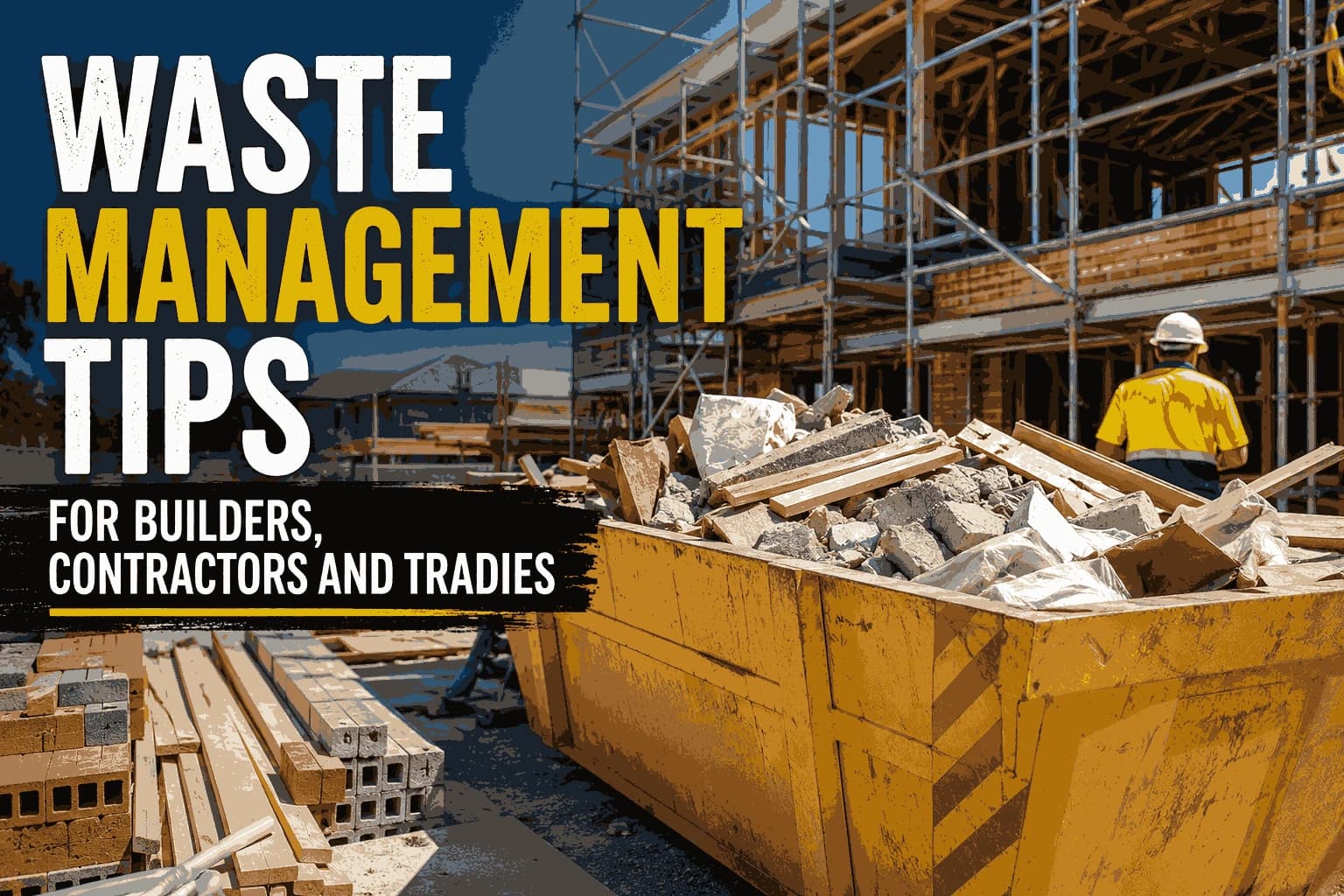
Construction and renovation projects can generate significant amounts of waste. From timber and bric
19 August 2026
Be the first to share your thoughts
No comments yet. Be the first to comment!
Share your thoughts and join the discussion below.